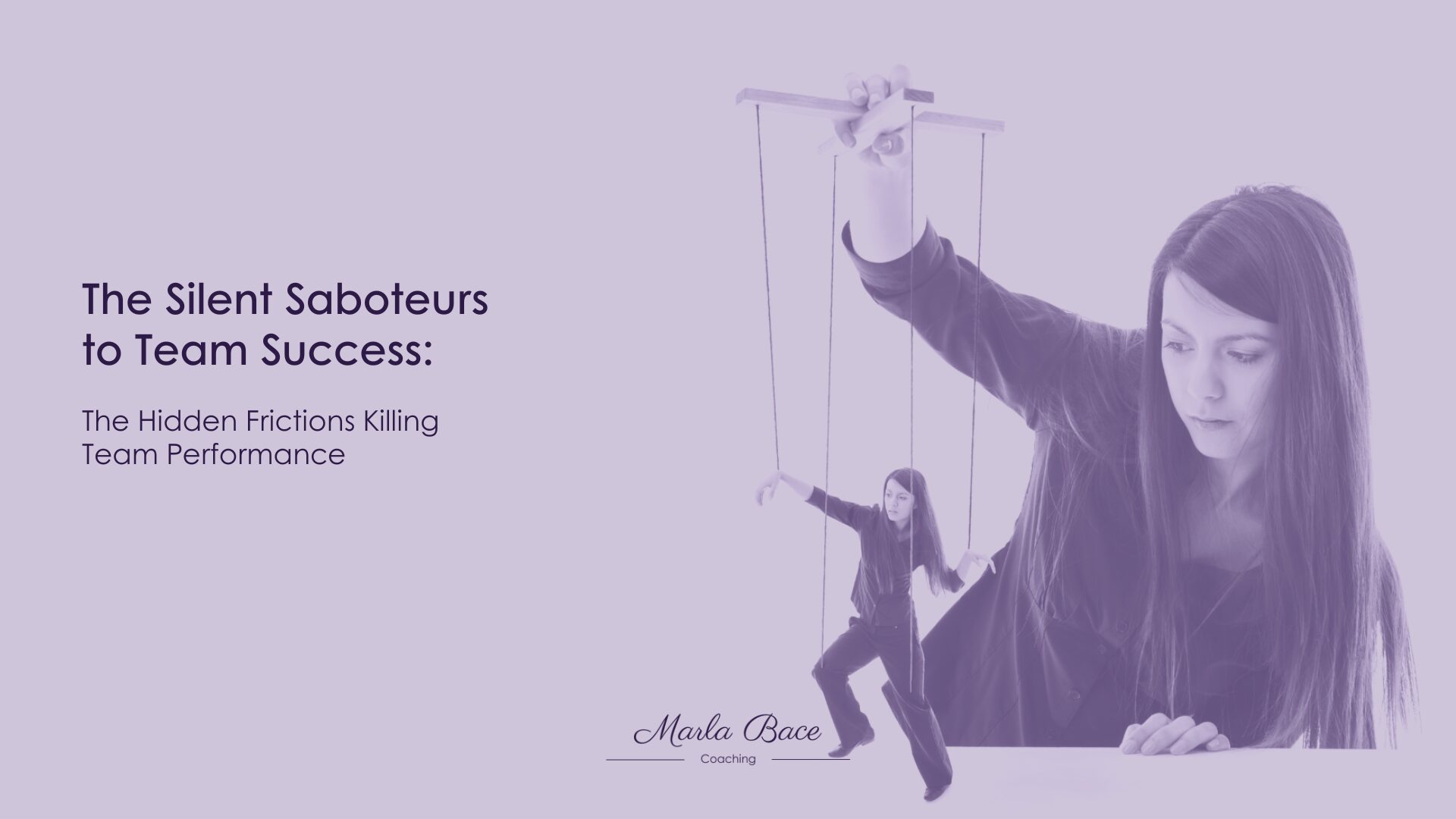
Remember, your team is always watching. They observe not just what you say, but more importantly, what you do. Your actions, even the subtle ones, can either reinforce or undermine your leadership congruence and message.
Introduction:
You don’t need a mic to communicate your leadership style.
Your tone, timing, and follow-through speak louder than any keynote. And when there’s a gap between what you say and how you act, your credibility doesn’t just crack—it fractures.
Inconsistent leadership messaging doesn’t just create confusion; it also creates emotional friction, stalls progress, and erodes the psychological safety your team needs to take risks, speak up, and collaborate.
This blog isn’t about theory, it’s about the real-world cost of saying one thing and doing another. The price is lost momentum, reduced trust, and wasted potential. And how to fix it.
Mismatch in Leadership Congruence Is a Culture Killer
Years ago, I worked with a CEO who walked the halls proclaiming, “We want innovation! Take bold action!”
But he always ended with a smirk and a warning: “Just don’t f*** it up.”
It was meant as a joke. It wasn’t received that way.
Because when someone made a mistake, even one aligned with a smart, calculated risk, his response was immediate and public. He ridiculed, blamed, and doubled down on his claims. Not once or twice, but every time.
Do you think his team embraced innovation after that? Thinking outside the box?
They played it safe, deferred, and they waited for permission. And they stopped thinking creatively.
He had unintentionally taught them that psychological safety was conditional, and the conditions were unpredictable.
- If you’re a leader who preaches empowerment, but swoops in to override decisions…
- If you encourage ownership, but react poorly when someone takes initiative…
- If you say, “Ask questions,” but visibly shut down when challenged…
You’re not creating clarity. You’re creating caution.
And high-performing teams don’t thrive in caution. They shrink.
Intentional Communication Means Nothing Without Consistent Reinforcement
Leadership communication is more than what’s said. It’s what gets repeated, reinforced, and remembered.
When you tell your team to act boldly, but reward only those who play it safe, you’re sending a mixed signal.
When you roll out a new vision but fail to connect it to roles, rewards, or routines, you’re not reinforcing directions; you’re reinforcing ambiguity.
And when you delegate a project but continue to micromanage, you’ve given the illusion of autonomy without the trust to support it.
This is where leadership clarity, emotional intelligence, and communication strategy converge:
- Clarity helps you align words and actions.
- Emotional intelligence helps you recognize your blind spots—those unconscious signals you may be sending.
- Communication strategy helps you cascade consistent messaging across levels, teams, and leaders.
Every team watches for these signals because they determine what’s safe, what’s rewarded, and what matters.
Leadership Congruence Isn’t About Perfection—It’s About Alignment
It’s not about being perfect. It’s about being mindful of your actions and ensuring they align with your leadership message. Your team doesn’t expect perfection, but they do expect congruence.
You don’t need to have all the answers, but you do need to be consistent in how you ask the questions.
Ask yourself:
- Do I say I value collaboration, but interrupt when I’m impatient?
- Do I encourage innovation, but punish failure?
- Do I promote ownership, but remain the bottleneck?
- Do I make high-impact decisions without context, then wonder why the team resists?
Congruence doesn’t mean control; it means alignment. It means your leadership presence, decisions, and communication all point in the same direction.
This is especially critical during transitions, such as post-acquisition, new leadership, or organizational change. One off-brand moment from a senior leader can stall months of progress.
As Harvard Business Review highlights, trust in leadership increases when communication is two-way, honest, and transparent. In other words, when what’s said lines up with what’s done. This level of transparency ensures that your team feels informed and included in the decision-making process.
How to Reset Leadership Congruence
If you suspect your message and actions are out of sync, don’t panic. Rebuilding alignment starts with clarity and humility.
Here’s where to begin:
1. Check your loops: Where are decisions being made, and who’s involved? Is there follow-through or just direction?
2. Invite feedback from outside your inner circle: Your direct reports may be too close to see the dissonance, or too cautious to say it.
3. Pick one message to reinforce consistently over the next 30 days: Something you want to become part of your cultural DNA. Say it. Model it. Spotlight it.
Remember: your message isn’t your all-hands. Your message is what you tolerate, reward, and repeat.
This applies whether you’re turning around a struggling division or preparing a team for scale. One of the most valuable shifts I’ve seen clients make is going from “telling” to embodying the message they want to lead with.
That shift is where clarity gives rise to trust.
Conclusion: When Words Fail, Actions Fill the Gap
You don’t get to decide what your team hears; you only get to choose what you model.
If your communication doesn’t match your behavior, your behavior wins every time. And the culture that follows? It may not be the one you intended, but it will be the one you built.
So ask yourself:
- What am I signaling through my actions?
- Where am I undermining my message, even unintentionally?
- And what would change if my leadership presence aligned—visibly and consistently—with my values?
Drop your insights in the comments, or share the one leadership habit you’re committed to realigning this quarter.
Because teams don’t follow words.
They follow congruence.