Introduction
If you’ve ever watched a talented team struggle to execute, you know the frustration of searching for obvious causes—and finding none. The skills are there. The resources are there. The strategies are clear. And still, progress stalls.
Most leaders assume that performance problems stem from either a lack of capability or a lack of motivation. But in my experience, the real culprits are often quieter: mismatches between how people are wired, how they process stress, and how they communicate when the pressure is on.
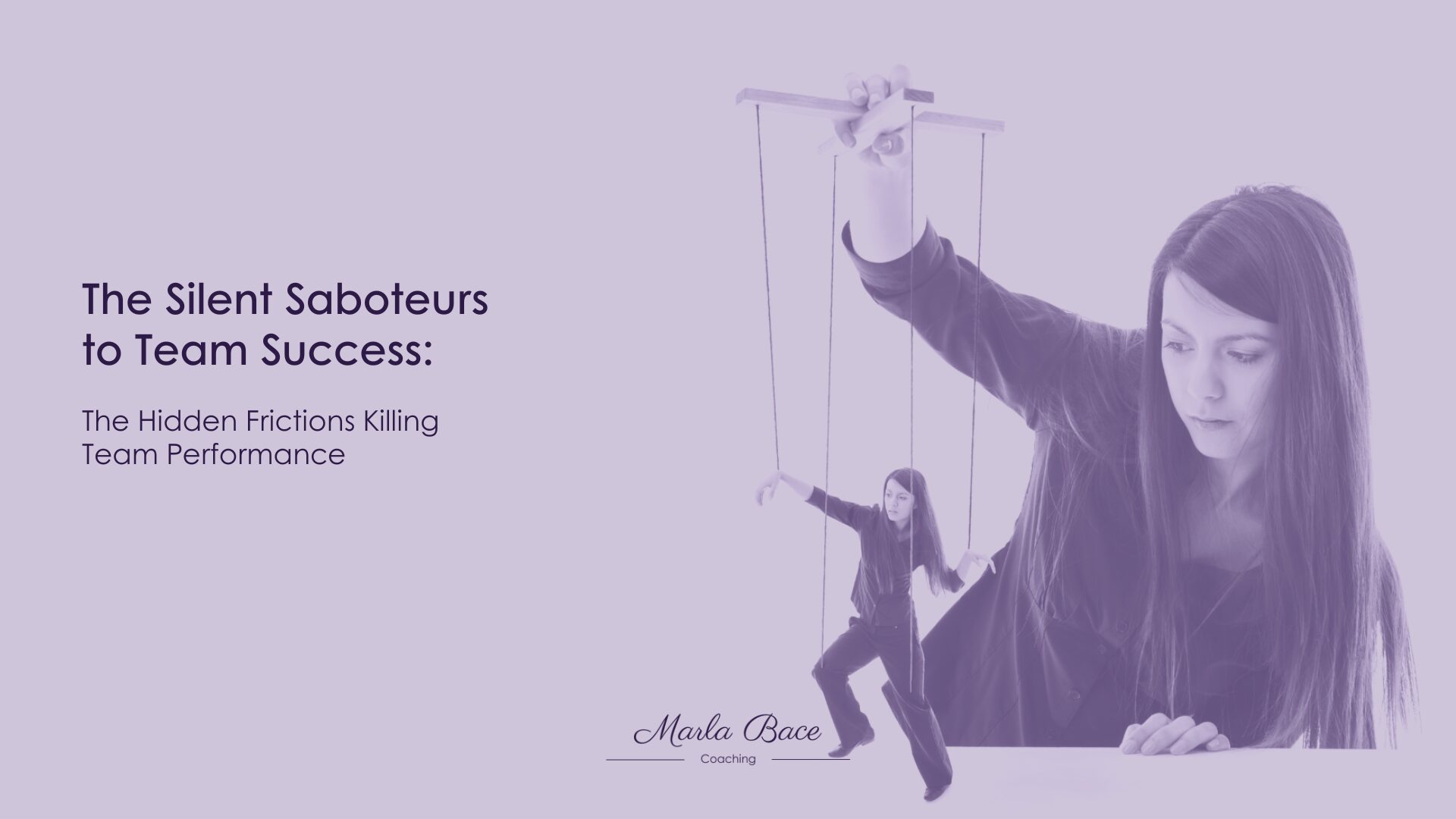
These are the silent saboteurs. The unseen dynamics that shape what people hear, how they interpret feedback, and whether they feel understood or dismissed.
A team can look perfectly aligned on paper—similar experience, complementary expertise, shared goals, and still falter because no one has stopped to ask the deeper question: Do our natural tendencies help us here, or are they quietly working against us?
You can’t diagnose—and improve—what you don’t understand
One of the most common leadership myths is that if someone is smart and committed, they’ll succeed in any environment. But performance is never just about what you know—it’s about how you’re wired to act and react when things get messy.
I recently encountered two leaders who, on the surface, seemed completely different; yet, they shared the same instinctive decision-making profile, as viewed from a Kolbe perspective. But when interacting with their team and the team’s leader, their responses couldn’t have been more different.
One leaned in, steady, calm, willing to adapt. The other froze, withdrawing into analysis and becoming overwhelmed by the conflicting demands around them.
When we looked closer, the difference wasn’t their instincts; it was their behavioral and communication styles under stress. One leader’s DISC profile predisposed them to stay engaged and assertive, even when adversity intensified. The other’s profile made them more cautious and internal, processing feedback as criticism rather than support.
These hidden layers matter. Because if you don’t understand how your people are wired: how they naturally operate, how they hear each other, how they respond when stakes are high, you can’t diagnose why a team is stuck. And you can’t set a course for improvement that everyone is actually equipped to follow.
Natural tendencies are strengths, until they become liabilities
Every person on your team has instinctive ways they prefer to work. Some are quick to act, others prefer to deliberate. Some naturally take charge, others build consensus. Under normal conditions, these tendencies create balance.
But in high-stress environments or periods of rapid change, the same wiring that helps someone succeed can become a liability. A high-Quick-Start person who thrives on improvisation can create chaos when others need stability. A strong follow-through can become paralyzed trying to impose order on something that can’t be controlled.
And then there’s the question of communication. Two people can describe the same situation and still fail to connect because their stress responses can reshape what they hear. We proved this with a hands-on team exercise.
When natural tendencies go unexamined, they don’t just create friction. They distort perception. They amplify misunderstandings. And they quietly erode the trust teams need to solve complex problems together.
Alignment requires clarity about the role and about each other
Understanding your team’s wiring isn’t about putting people in boxes or excusing poor performance. It’s about recognizing that no amount of training or process improvement will stick if the demands of a role fundamentally clash with someone’s innate tendencies, especially if the team doesn’t have a shared language to navigate those differences.
Alignment starts with clarity. Roles aren’t just about tasks; they require clarity about what success looks like when things aren’t going smoothly. Stress reveals a lot, which is why clarity around how people respond to it—and how they understand communication—is essential. With clarity on strengths and support needs, teams can align better and function more sustainably.
Three practices can help surface and address these silent saboteurs:
- Assess fit beyond skills. Before you assume someone is underperforming, look at how the demands of the job align—or don’t—with their instinctive approach and stress behavior. For more on why organizations struggle to adapt, see Harvard Business Review.
- Create shared language. Tools like Kolbe and DISC don’t solve problems by themselves, but they provide teams with a vocabulary to describe patterns without judgment. You can learn more about these dynamics in this McKinsey piece on organizational transformation.
- Normalize feedback loops. Make it safe for people to say, “Here’s how I’m experiencing this,” or “I’m stuck because I’m hearing X, but I think you mean Y.”
When you build this level of clarity into your culture, you remove the mystery from performance problems. You create an environment where people can show up as they are and where everyone understands what it takes to succeed together.
Conclusion
The most dangerous problems in a team aren’t the loud ones. They’re the subtle mismatches that compound over time—until you can no longer tell whether you’re dealing with a performance issue, a communication gap, or a simple clash of natural tendencies.
But these dynamics aren’t flaws to be hidden or ignored. They’re clues. Clues that show you where to dig deeper, where to adapt expectations, and where to support people in ways that unlock their best work.
Where in your team are you seeing the symptoms of these silent saboteurs? And what would change if you named them—and started designing around them—before they undermine your next critical moment?
Are you the kind of leader willing to invest in your team to see whether any of these forces are quietly at play? The teams whose leaders choose to look closely and build the structures to address what they find are the ones that grow, perform, and thrive long after the pressure is gone.
If you’d like to explore how this shows up in your leadership, you might also appreciate Stillness Is a Strategy or Beyond Instinct.