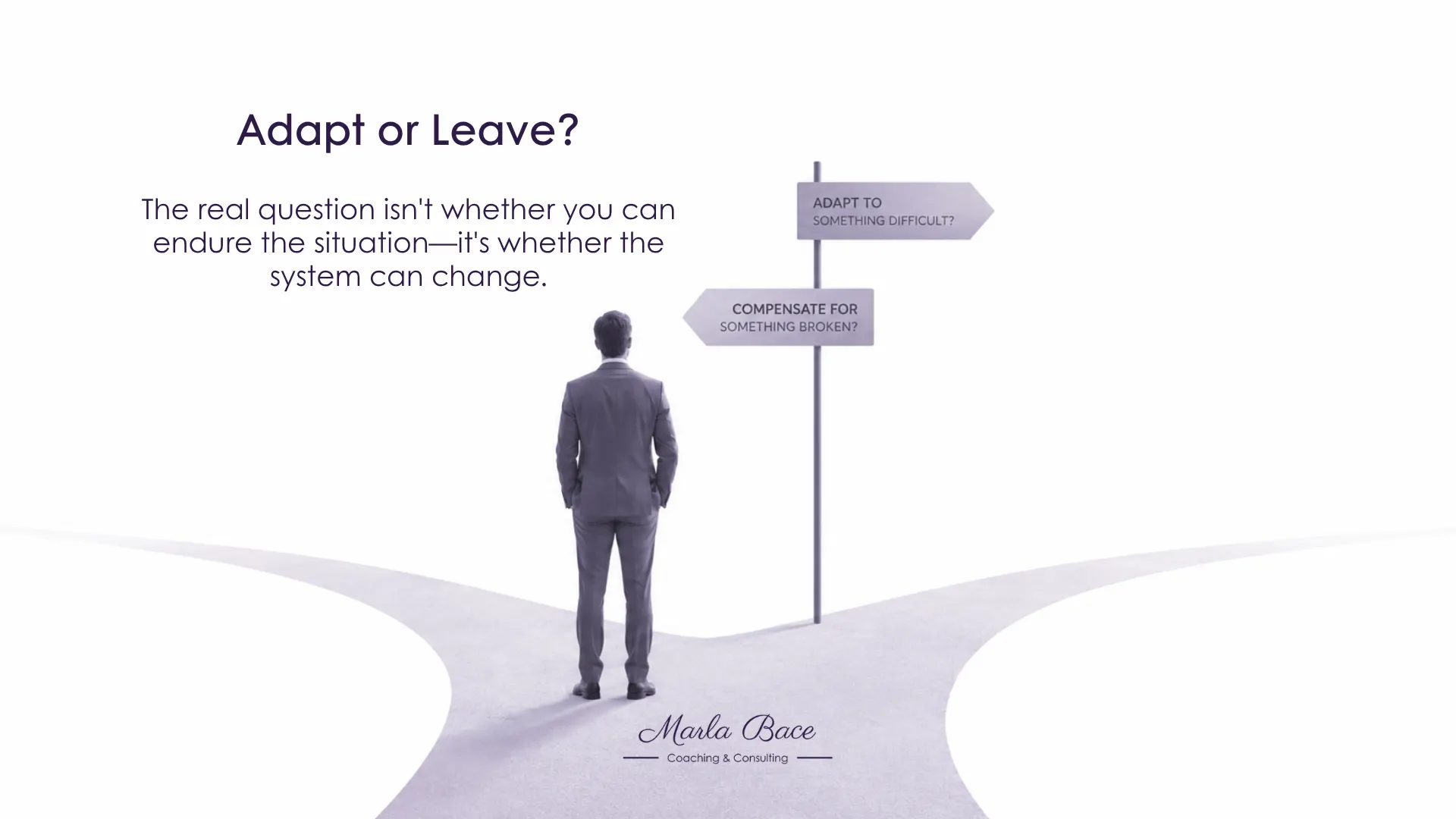
Leadership visibility is not about self-promotion. It is about ensuring your value, judgment, and strategic contribution are understood by the people making decisions about your future. Many senior managers assume excellent work will speak for itself. However, visibility gaps often prevent capable leaders from being recognized for larger roles. The challenge is rarely capability. More often, it is how your contribution is being interpreted within the organization’s power dynamics and decision-making processes.
Much like businesses allocate resources to marketing, professionals must also prioritize efforts that drive their presence, influence, and credibility. Moreover, for those seeking leadership roles, partnering with an executive coach can make all the difference.
Why Visibility Matters for Leadership
To begin with, leaders are expected to inspire, influence, and drive change. But before they can do that, they must be seen and recognized. Visibility helps leaders build trust, attract opportunities, and position themselves as trusted experts. Leaders rely on visibility to expand their influence and create opportunities. Studies have shown that visibility directly impacts career trajectory—professionals who actively share their achievements and contribute thought leadership content often move into leadership roles faster.
More importantly, visibility creates measurable career advantages.
- Networking Impact: According to Forbes, 85% of jobs are filled through networking. Attending key industry events or maintaining a consistent presence on LinkedIn is non-negotiable for aspiring leaders.
- Personal Branding: A LinkedIn report highlights that professionals with a robust personal brand experience up to a 25% increase in career opportunities compared to their peers.
- Thought Leadership: When you publish articles, join podcasts, or speak at conferences, you demonstrate expertise and strengthen your credibility.
Borrowing from Business: The 3-5% Rule
Similarly, businesses invest 3-5% (or more) of their revenue in marketing to ensure consistent growth. A $1 million company, for instance, might allocate $30,000-$50,000 annually to branding, advertising, and promotional efforts. Professionals can use a similar approach to visibility. Consider dedicating a percentage of your income to activities that enhance your presence, such as:
- Hiring an executive coach to refine your leadership skills.
- Joining premium networking groups.
- Enrolling in public speaking courses or leadership training programs.
- Commissioning a personal brand strategist.
Executive Coaching: The Game-Changer for Aspiring Leaders
In addition to visibility efforts, leadership positions demand more than technical expertise—they require strategic thinking, emotional intelligence, and the ability to inspire teams. An executive coach helps you navigate leadership challenges with greater clarity, focus, and confidence.
The Tangible Benefits of Executive Coaching for Visibility
- Clarity and Focus: An executive coach helps you identify your strengths and position yourself as a leader. Whether defining your unique value proposition or developing a strategy for consistent visibility, their input is invaluable.
- Skill Development: Leadership requires nuanced skills like conflict resolution, effective delegation, and visionary planning. An executive coach provides tailored training to elevate these competencies.
- Accountability: It’s easy to let visibility efforts fall by the wayside amid day-to-day tasks. Executive coaches keep you accountable, ensuring consistent progress.
- Confidence Boost: Imposter syndrome can sabotage even the most talented professionals. Coaches work to dismantle limiting beliefs, empowering leaders to step into their roles with assurance.
Strategies to Drive Visibility in 2025
Once you understand the value of visibility, the next step is implementing a deliberate strategy.
1. Thought Leadership
- Write and Publish: Aim to contribute articles to industry publications or share insights on LinkedIn, this helps you demonstrate expertise.
- Podcast Guesting: Appear on relevant podcasts to expand your reach and share your expertise with a broader audience.
2. Networking
- Plan Attendance: Create a schedule of conferences, expos, and events to attend throughout 2025. Prepare to engage meaningfully and follow up with connections.
- Virtual Visibility: Host webinars or join professional forums to increase engagement with key stakeholders.
3. Traditional Marketing Techniques
- Brand Collateral: Invest in professionally designed materials, such as personal websites, speaker reels, or branded LinkedIn banners.
- Media Features: Pitch your story or expertise to traditional media outlets to amplify your reach.
4. Partnering with an Executive Coach
- A coach helps leaders combine these efforts into a cohesive strategy.
The Cost of Neglecting Visibility
Conversely, professionals who neglect visibility often limit their own opportunities for advancement. Lack of visibility can result in missed promotions, limited networking opportunities, and the inability to showcase leadership potential.
Compelling Statistics on the ROI of Visibility:
- Professionals regularly network and publish thought leadership content are 2x more likely to land senior leadership roles.
- Leaders who actively manage their personal brand report a 20% higher average income than those who don’t.
- Coaching clients often achieve measurable improvements in leadership effectiveness, with many reporting ROI exceeding 500%.
Reflect and Act: Are You Positioned for 2025?
Ask yourself:
- Am I visible enough in my industry to be recognized as a leader?
- What percentage of my income am I investing in visibility and professional growth?
- Have I partnered with an executive coach to refine my leadership strategy?
Ultimately, a systematic approach to visibility helps ensure your work, judgment, and leadership potential receive the recognition they deserve. Whether through networking, publishing, traditional visibility efforts, or coaching, these steps will help decision-makers recognize your expertise and leadership potential.
Remember, leadership isn’t just about driving results—it’s about being recognized as someone who can inspire and influence at the highest level. By investing in visibility and leveraging the expertise of an executive coach, you’ll be well-equipped to achieve your leadership aspirations.
If you’re delivering results but still feel overlooked for larger opportunities, the issue may not be your capability.
A Clarity Review can help you understand how your contribution is being perceived, where visibility gaps exist, and what needs to shift for your leadership to be recognized at the level you’re ready for.
The Clarity Review was designed for exactly this moment.
A short, focused session to help you see what’s yours to carry—and what isn’t.
Frequently Asked Questions
Leadership visibility helps decision-makers understand the value you bring beyond your immediate responsibilities. Without visibility, your work may be appreciated by your team but overlooked by those determining promotions, succession plans, and strategic opportunities.
Not always. Strong performance is essential, but advancement often depends on how others perceive your leadership potential, strategic thinking, and ability to influence across the organization.
Focus on communicating insights, contributing to strategic discussions, and making your thinking visible rather than simply highlighting accomplishments. Visibility is most effective when it is tied to organizational value rather than personal recognition.
Many experienced professionals assume that good work will naturally be noticed. In reality, organizational complexity, competing priorities, and internal power dynamics can make valuable contributions less visible than they deserve to be.
Visibility helps people understand who you are and what you contribute. Influence is your ability to shape decisions, perceptions, and outcomes. Visibility often creates the foundation that makes influence possible.