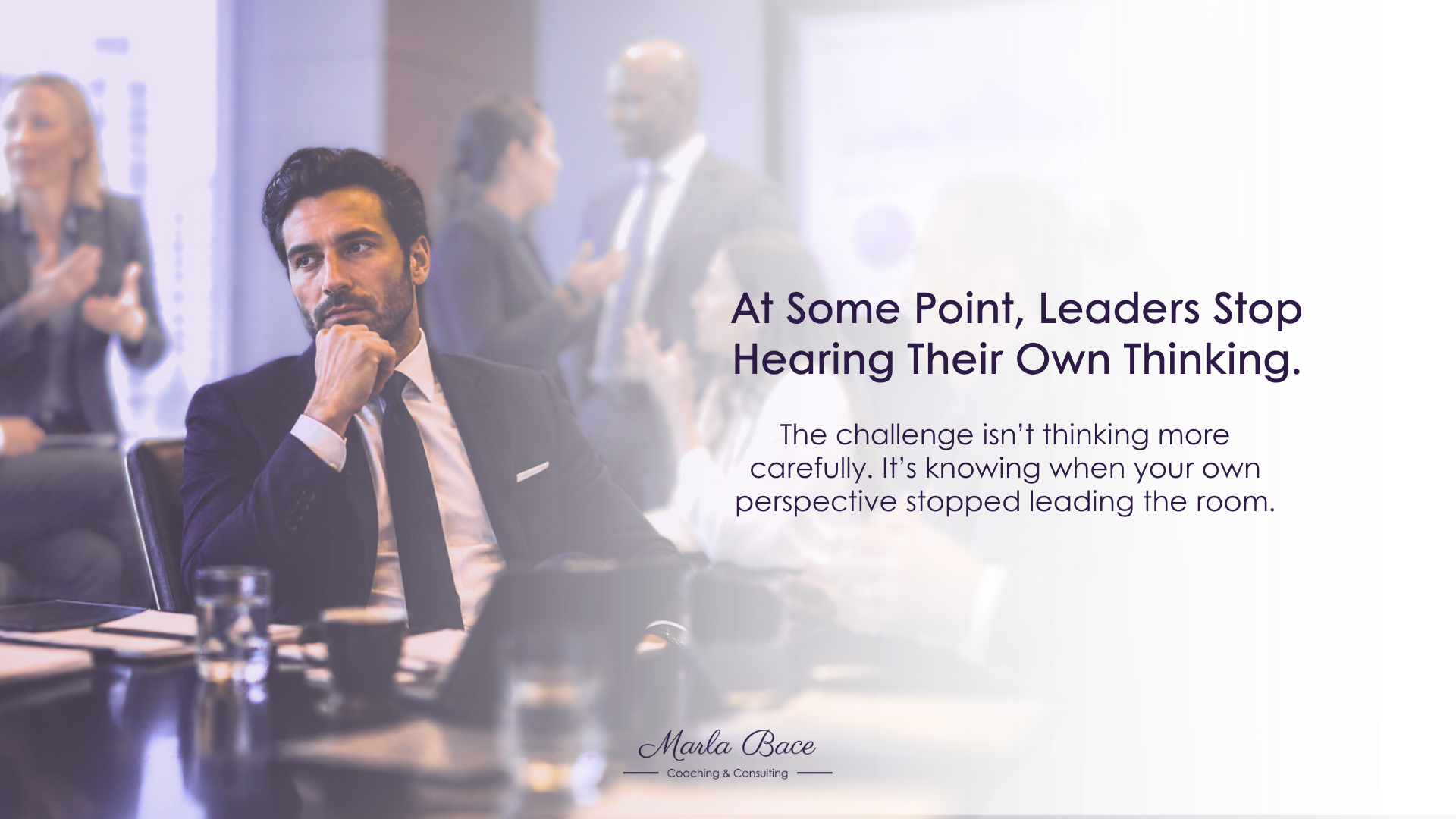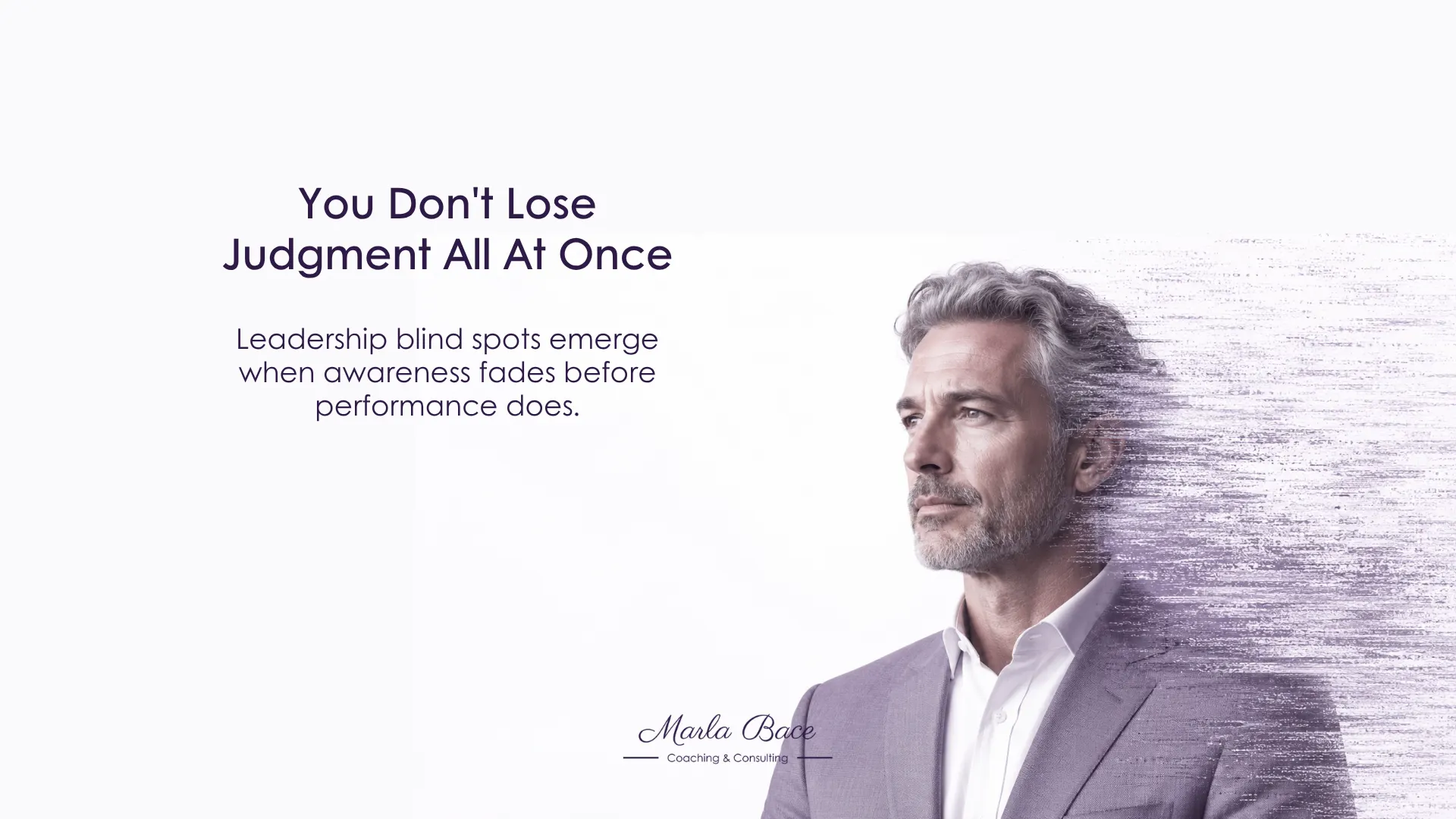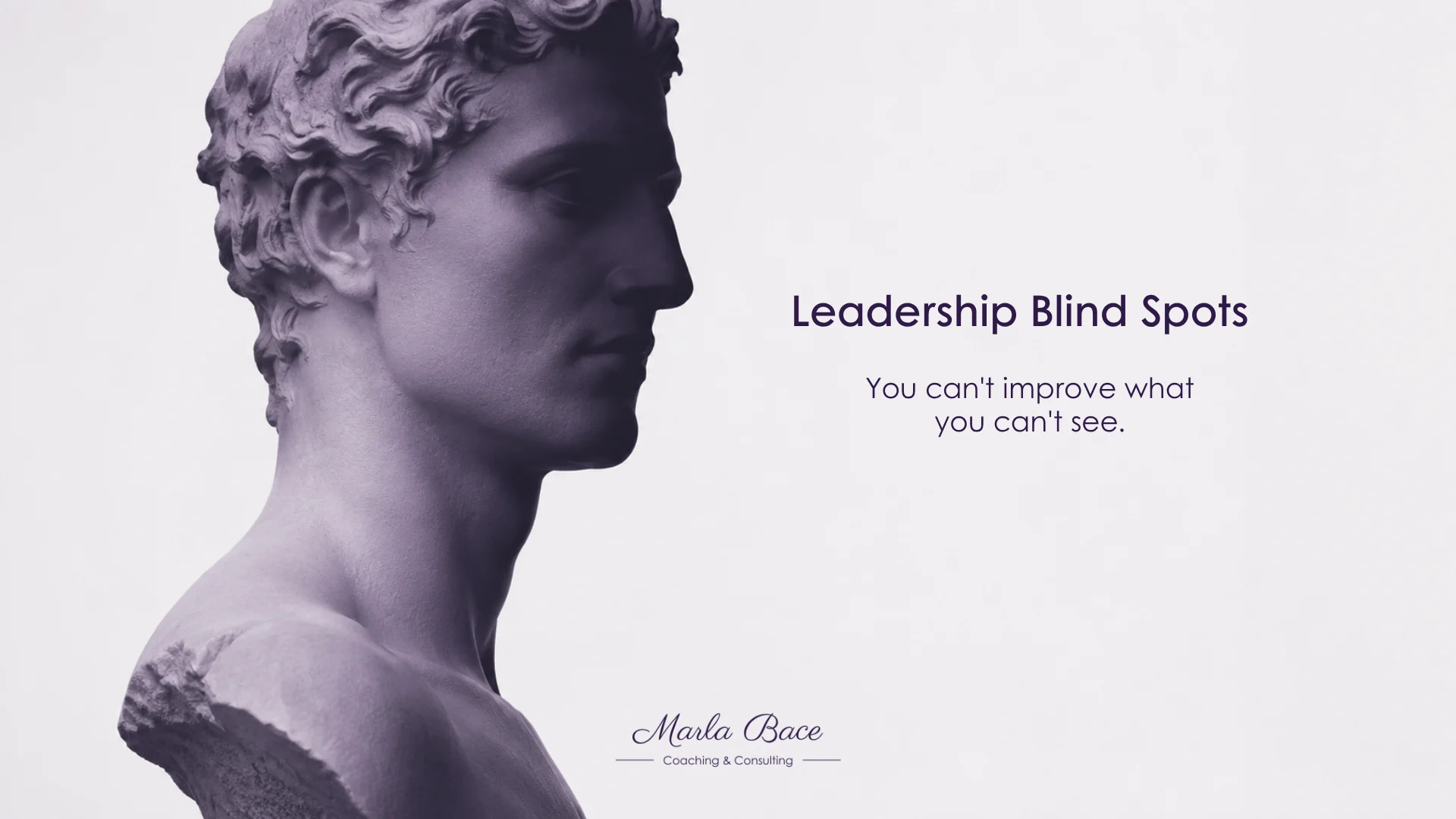
Leadership blind spots happen because we interpret situations through our own assumptions, experiences, and beliefs rather than seeing them objectively. For senior managers and directors, these blind spots often show up as repeated frustrations, stalled advancement, communication breakdowns, or confusion about how others perceive them. The problem is not a lack of intelligence or capability. It is the gap between how you see yourself, how others experience you, and what your environment is actually asking of you.
“We don’t see things as they are, we see them as we are.” – Anaïs Nin, a quote that beautifully encapsulates the essence of self-awareness.
After posting my last blog, someone asked about blind spots. Blind spots—the unseen weaknesses or biases that hold us back—are among the most significant barriers to personal and professional growth. While many professionals pride themselves on their expertise, decision-making, and leadership skills, they often fail to recognize the gaps in their thinking, behavior, or interpersonal relationships.
Last week, we explored self-awareness and how a lack of it can lead to blind spots. The response revealed a key question: How do I know if I have a blind spot? The reality is we all do. The challenge lies in identifying them and actively working to overcome them. This blog will help you do just that: find blind spots to self-awareness and emotional intelligence (EQ) while providing actionable steps for growth.
What Are Blind Spots?
A blind spot is an area of our thinking, behavior, or interactions that we fail to recognize but that others may see clearly. These gaps often manifest in leadership, communication, decision-making, and relationship-building.
Blind spots can take many forms, such as:
- Overestimating strengths – Believing you’re a great communicator when, in reality, your messages often create confusion.
- Underestimating weaknesses – Assuming you’re approachable when, in truth, people find you intimidating or unapproachable.
- Cognitive biases – Sticking to a viewpoint despite evidence to the contrary.
- Emotional blind spots – Failing to recognize how your emotions affect others or how others’ emotions influence you.
Recognizing blind spots is critical because they affect our leadership, relationships, and decision-making. But without self-awareness and emotional intelligence, they remain hidden, limiting our growth and effectiveness.
How to Identify Your Blind Spots
Identifying blind spots requires humility, openness, and the willingness to challenge your own perceptions. Here are four effective methods:
1. Seek Honest Feedback
We all have areas we can’t see clearly about ourselves. The best way to uncover them is by asking for feedback. However, not all feedback is created equal. Seek input from trusted colleagues, mentors, coaches, or friends who will be candid, not just polite.
Action Step: Ask a few people you trust: “What is one thing you think I don’t see about myself that could improve my leadership or interactions?”
2. Assess Patterns in Your Interactions
Do you find yourself repeatedly facing the same challenges—miscommunication with your team, strained client relationships, or frustration with certain colleagues? These patterns often signal a blind spot.
Action Step: Keep a journal for a few weeks and note recurring challenges or feedback you receive. Look for themes.
3. Use Self-Assessment Tools
There are various assessments designed to reveal hidden strengths and weaknesses, such as:
- 360-degree feedback assessments
- Emotional Intelligence (EQ) assessments
- Personality tests like the Enneagram, MBTI, or DISC
Action Step: Take a reputable self-awareness or leadership assessment and review the results with a coach or mentor.
4. Observe How You React to Criticism
Your emotional response to criticism can be a telltale sign of a blind spot. If a particular piece of feedback triggers a strong defensive reaction, there’s a chance it’s hitting a blind spot.
Action Step: The next time you feel defensive about feedback, pause and reflect: *Why is this bothering me? Could there be some truth to it?
How to Work on Your Blind Spots
Identifying a blind spot is only the first step. The real work comes in addressing it.
1. Develop Self-Awareness
Self-awareness is the foundation of overcoming blind spots. By becoming more attuned to your thoughts, emotions, and behaviors, you’ll recognize where your perception and reality diverge.
Action Step: Practice daily reflection. Ask yourself: What went well today? Where could I have responded differently?
2. Strengthen Emotional Intelligence (EQ)
Blind spots are often tied to emotional intelligence—our ability to recognize, understand, and manage emotions in ourselves and others.
- Self-awareness: Recognizing your emotional triggers and biases.
- Self-regulation: Managing your reactions effectively.
- Empathy: Understanding how your actions affect others.
- Social skills: Improving communication and collaboration.
Action Step: Choose one emotional intelligence area to work on and focus on improving it through mindfulness, coaching, or leadership training.
3. Embrace a Growth Mindset
A growth mindset—the belief that you can develop and improve—allows you to acknowledge blind spots without feeling threatened. Instead of viewing them as flaws, see them as opportunities for development.
Action Step: When you discover a blind spot, don’t ignore it. Ask: What can I learn from this? How can I improve?
4. Engage a Leadership Coach or Mentor
A skilled leadership coach or mentor can accelerate your growth by helping you identify blind spots, set goals, and develop new behaviors. They provide unbiased, expert guidance that friends or colleagues might not offer.
Action Step: Consider working with a leadership coach specializing in self-awareness and emotional intelligence.
The Path to Greater Clarity, Leadership and Self-Awareness
Blind spots are not a sign of failure — they’re a sign of being human. The difference between successful leaders and those who plateau are their willingness to uncover and address them.
By developing self-awareness, strengthening emotional intelligence, and seeking feedback, you can transform blind spots into growth and leadership excellence areas. The path to clarity isn’t always comfortable, but it’s always worth it.
Where might your blind spots be? And what steps will you take to uncover them today?
If you’ve ever wondered why your results, reputation, or career progression are not fully aligned with your capability, a blind spot may be part of the picture.
A Clarity Review helps uncover the patterns, assumptions, and unseen dynamics that may be shaping how you are being perceived and where your leadership growth is being constrained.
The Clarity Review was designed for exactly this type of insight.
A short, focused session to help you see what’s yours to carry—and what isn’t.
Frequently Asked Questions
Leadership blind spots are gaps between how you believe you are showing up and how your actions, decisions, or communication are perceived by others. They often operate outside conscious awareness, making them difficult to identify without feedback or reflection.
Success can reinforce existing patterns and assumptions. When leaders receive positive results over time, they may stop questioning behaviors or perspectives that are no longer serving them in more complex environments.
Blind spots can limit influence, damage relationships, and create misalignment between capability and perception. In many cases, they prevent highly capable professionals from being seen as ready for larger strategic responsibilities.
Self-awareness helps leaders understand how their behavior affects others, how they respond under pressure, and where their assumptions may be shaping decisions. Greater awareness improves communication, influence, and adaptability.
Blind spots are often revealed through feedback, coaching conversations, recurring workplace challenges, and careful observation of patterns. If the same problem keeps appearing in different situations, it may be pointing to a blind spot rather than an external issue.