The Power of Stillness: Why Pausing Is a Leadership Strategy with Countless Benefits
When Slowing Down Feels Counterintuitive
There’s a popular saying among business owners and executives: “The seeds you plant in the fourth quarter grow in the first quarter.” This highlights the importance of strategic reflection to foster growth and success for the future.
It’s meant to inspire focus and productivity during a time when most people are winding down. But what I’ve come to realize, both in my own business and through the leaders I coach, is that this advice often drives constant motion rather than meaningful momentum.
For me, this season is different. I’m intentionally slowing down. Reflecting. Listening. Asking the same questions I ask my clients.
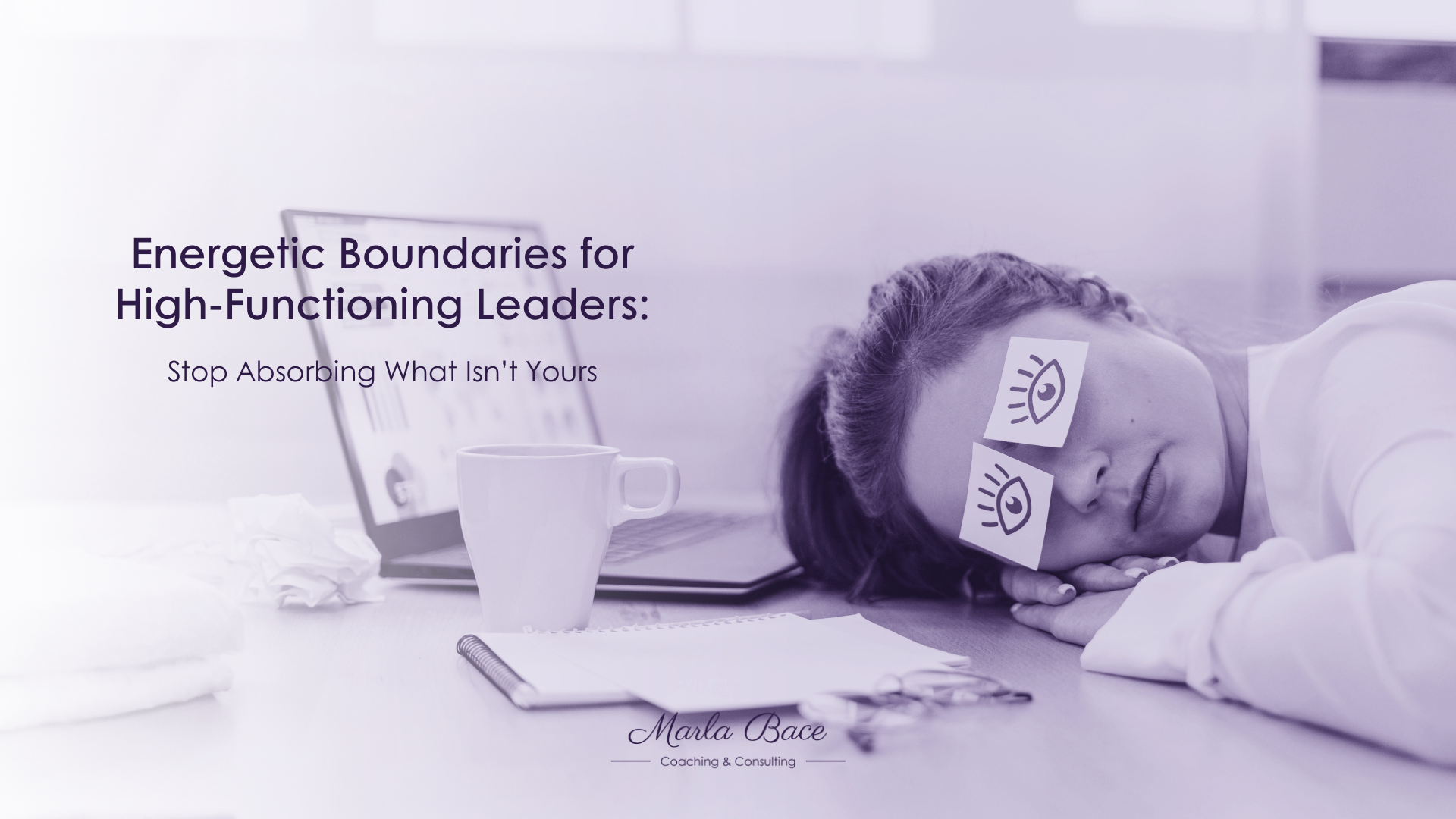
Stillness doesn’t come naturally to most high achievers. It feels indulgent, even irresponsible. We equate movement with progress, activity with success, and productivity with worth. But in leadership — especially soul-aligned leadership — stillness is not withdrawal. It’s a strategy. It’s not about doing nothing, but about doing the right things at the right time, with a clear and focused mind.
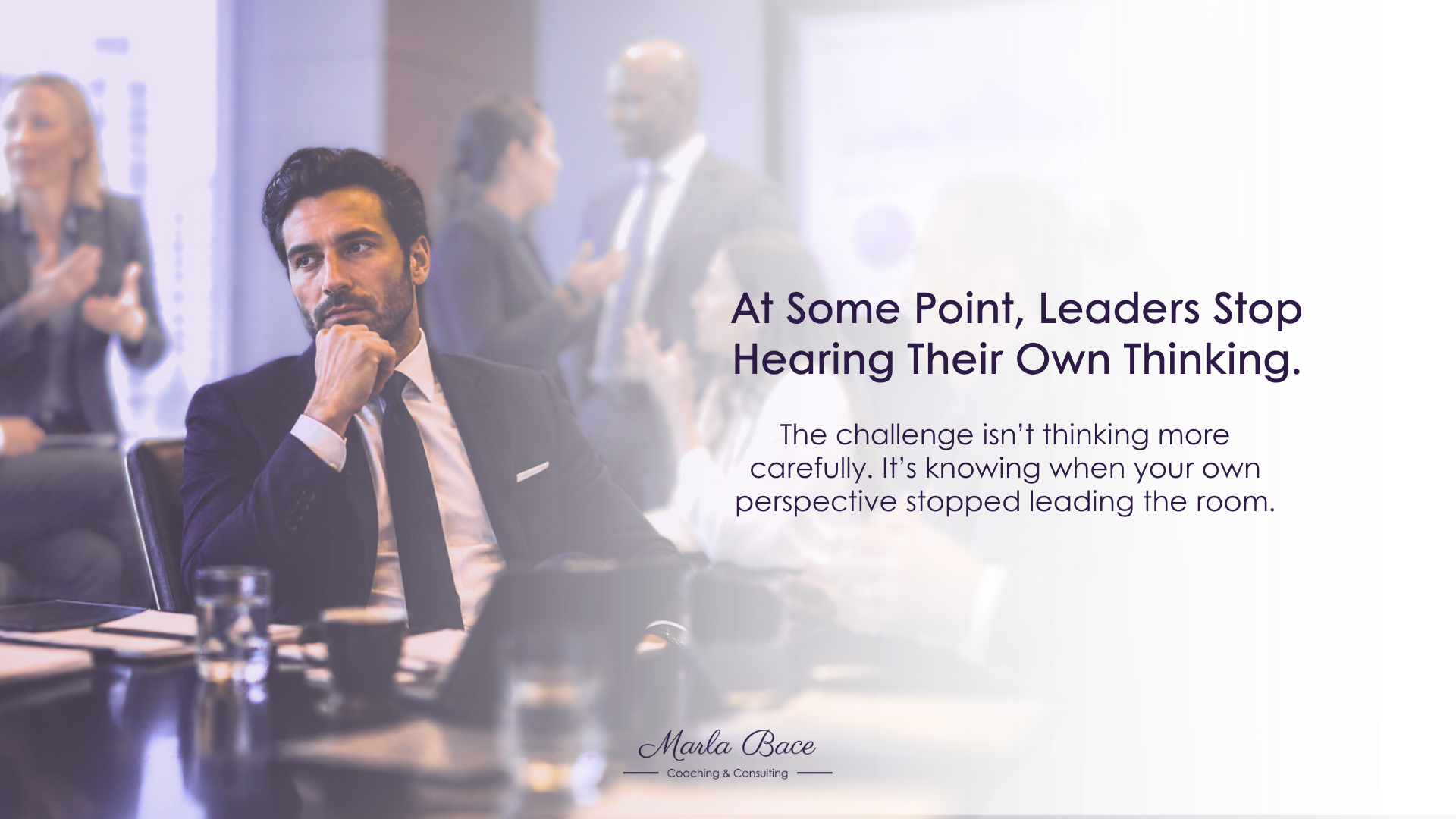
It’s the quiet space where clarity forms, direction strengthens, and the noise falls away long enough for you to hear your own truth.
Practicing What I Teach
This year, I decided to do something I’ve encouraged my clients to do for years: pause before the next push.
I stepped back from the “keep planting” mentality to evaluate whether the garden I was growing was still the one I wanted to tend. That reflection didn’t mean losing momentum; it meant reclaiming intention.
It’s easy to justify more effort, more marketing, more meetings, more movement, especially in the fourth quarter. But what if your best growth doesn’t come from doing more, but from doing the right things, with clear alignment behind them?
As I looked at my own business, I asked the same questions I often pose to clients:
- Where are my best clients coming from?
- Which relationships or referrals feel most energizing and aligned?
- Where am I visible in ways that genuinely reflect my value — not just my activity?
- What needs to stop, or at least shift, to create space for what’s next?
These questions aren’t about efficiency. They’re about the essence difference between being busy and being in alignment.
Reflection Is the Strategy Beneath Strategy
Whether you’re leading a company or navigating a corporate environment, this is the ideal time of year to stop chasing and start assessing.
For business owners, reflection means tracing results back to their source. Which projects delivered the highest ROI —not just financially, but also energetically? Which clients reconnected you to your purpose, and which drained your bandwidth?
For corporate professionals, it’s about visibility and value. Where are you being recognized for your contribution? Where are you overextending yourself in ways that go unnoticed or unaligned?
If you skip this reflection, you risk starting the new year with the same input expecting different outcomes.
Thinking. Evaluating. Reflecting. These aren’t passive acts; they’re active recalibrations that provide the instinct and insight you’ll need to design next quarter’s strategy.
The Discipline Behind Stillness
Pausing isn’t easy. It takes discipline to quiet the instinct to produce.
It takes significant courage to hold space without filling it, a courage that can transform your leadership.
One client I worked with earlier this year described stillness as “the hardest work I’ve ever done.” They had spent their career in constant execution mode, always anticipating the next crisis, the next opportunity, the next demand on their time.
During our sessions, I encouraged them to step back, to spend an hour each week not doing, but thinking, without agenda, metrics, or deliverables.
At first, it felt inefficient. Then it became illuminating.
Patterns started emerging, projects that drained resources but delivered little value, initiatives driven by habit rather than purpose, opportunities overlooked because there was no space to notice them.
Stillness, they realized, was the missing ingredient in their leadership presence. It didn’t slow their progress; it refined it.
The Power of Strategic Reflection
Reflection is not just a tool, it’s a mirror that doesn’t flatter but clarifies, providing invaluable insights for your leadership journey.
In my own work, I see how powerful it can be when leaders pause long enough to ask questions that cut through noise:
- What am I building, and does it still align with where I’m going?
- Where am I operating out of obligation rather than opportunity?
- What small wins have I dismissed that actually signal future growth?
- What is asking to be let go of, even if it once worked?
Stillness gives you the vantage point to see patterns, not just points. It turns intuition into data, the kind that informs strategy without losing soul.
What Stillness Creates
When you build stillness into your leadership practice, several things start to shift almost immediately:
- Your decisions become clearer. You stop chasing every idea and start focusing on what actually matters.
- Your confidence stabilizes. You move from reaction to response, from urgency to intentionality.
- Your relationships strengthen. People feel the steadiness in your energy and start mirroring it back.
- Your time expands. Because you stop filling space just to prove momentum.
Stillness sharpens presence. It heightens intuition. It creates the internal conditions for courage, the kind that allows you to say no to what’s misaligned so you can say yes to what’s next.
What I’m Seeing in the Field
The leaders and business owners I work with are collectively reaching this same realization. They’re recognizing that nonstop drive is neither sustainable nor strategic.
The ones who are thriving are the ones who’ve redefined progress. They’re slowing down to clarify messaging, reexamine their team structure, or reconnect with their market from a place of insight, not exhaustion.
One executive shared, “I used to think the only way to win was to stay ahead of everyone else. Now I realize I win when I’m aligned with myself.”
That’s the essence of leadership presence, not how loudly you lead, but how clearly you see.
Integrating Stillness into Strategy
Stillness isn’t the opposite of growth; it’s what makes growth sustainable.
As you reflect on this past year — whether you’re leading a company, managing a team, or guiding your own career — ask yourself:
- What can you simplify?
- What will you intentionally stop doing?
- What relationships deserve more attention, and which require release?
- Where can you experiment or test something new next quarter?
Clarity lives on the other side of these questions. And that clarity becomes the foundation for strategic movement — not rushed but rooted.
Stillness gives you the power to plan from alignment rather than anxiety.
My Own Commitment
In complete transparency, I’m practicing this too.
It’s not always comfortable. As a business owner, it feels unnatural to pull back during the final stretch of the year when the world insists on pushing harder. But the truth is, I’ve learned more in these quieter moments than in any sprint.
Stillness doesn’t slow growth — it strengthens it. It helps me identify what deserves space, what requires pruning, and what’s ready to bloom next.
It took years for me to understand the “woo” community when they would say you are a human being, not a human doing, reflect, ponder, and grow stronger.
This isn’t about disengagement. It’s about discernment.
Final Thought
We glorify speed because it makes us feel in control. But speed without direction is just motion.
Stillness gives direction and shape. It transforms self-awareness into strategy.
So as you close the year, resist the urge to overfill your calendar or overcommit your energy. Permit yourself to pause — not to stop, but to see.
Because reflection isn’t an interruption to leadership; it’s the foundation of it.
And when you make stillness part of your strategy, you stop reacting to what’s urgent and start responding to what’s essential.
That’s where the real growth begins, not in the sprint, but in the space between.
For additional reading on reflection as a leadership practice, see How Great Leaders Think from Harvard Business Review.