At a global strategy summit in 2023, where the importance of discernment in leadership was highlighted, McKinsey & Company posed a deceptively simple question to 200 CEOs: “What’s getting in the way of better decisions?”
The top answer? Noise.
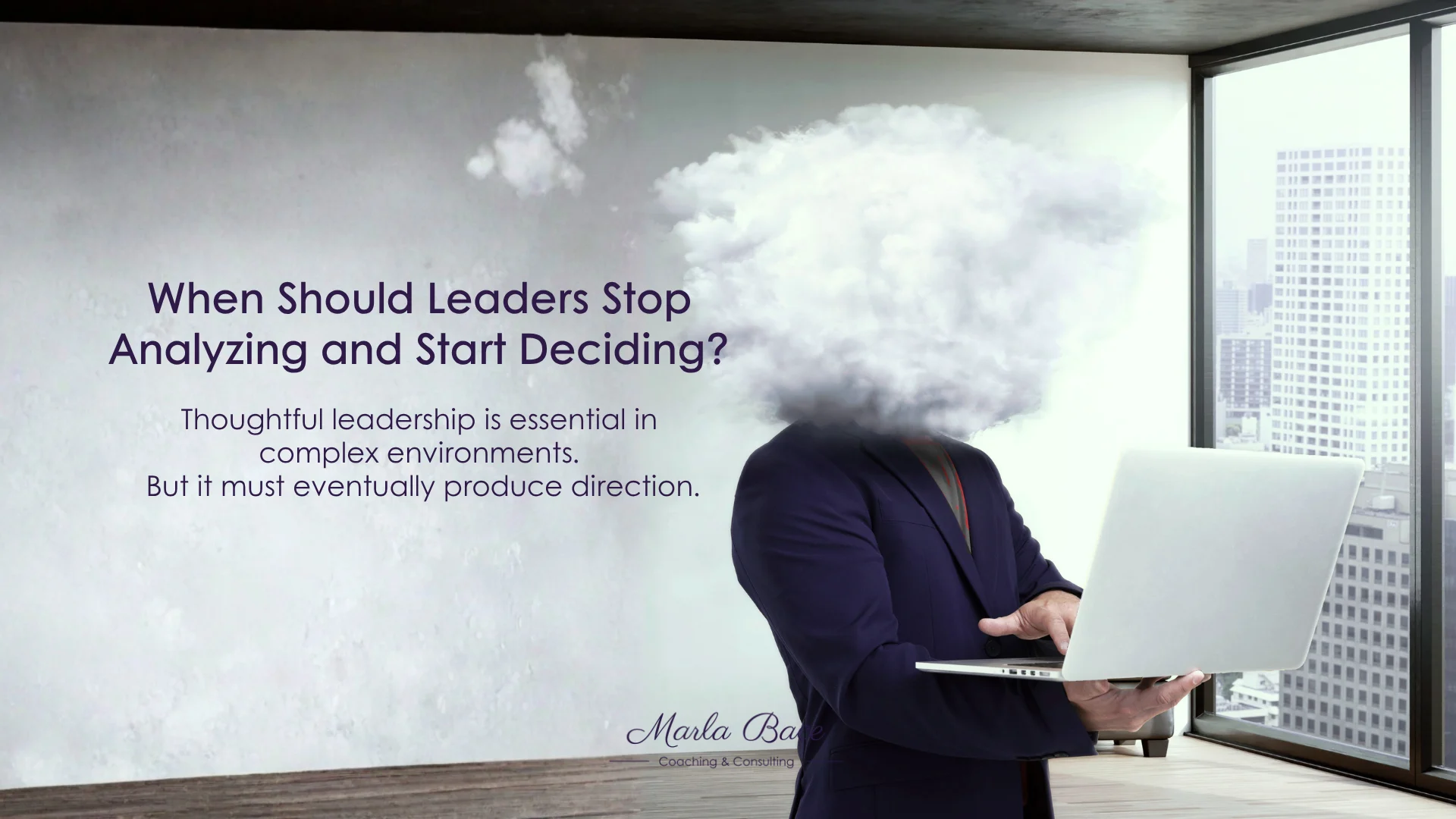
It’s not a lack of data or time. It’s the overload of competing signals—Slack messages, breaking news, stakeholder urgency, internal pressure, personal biases, past experiences, and the fear of failure—clouding clarity and accelerating poor decisions.
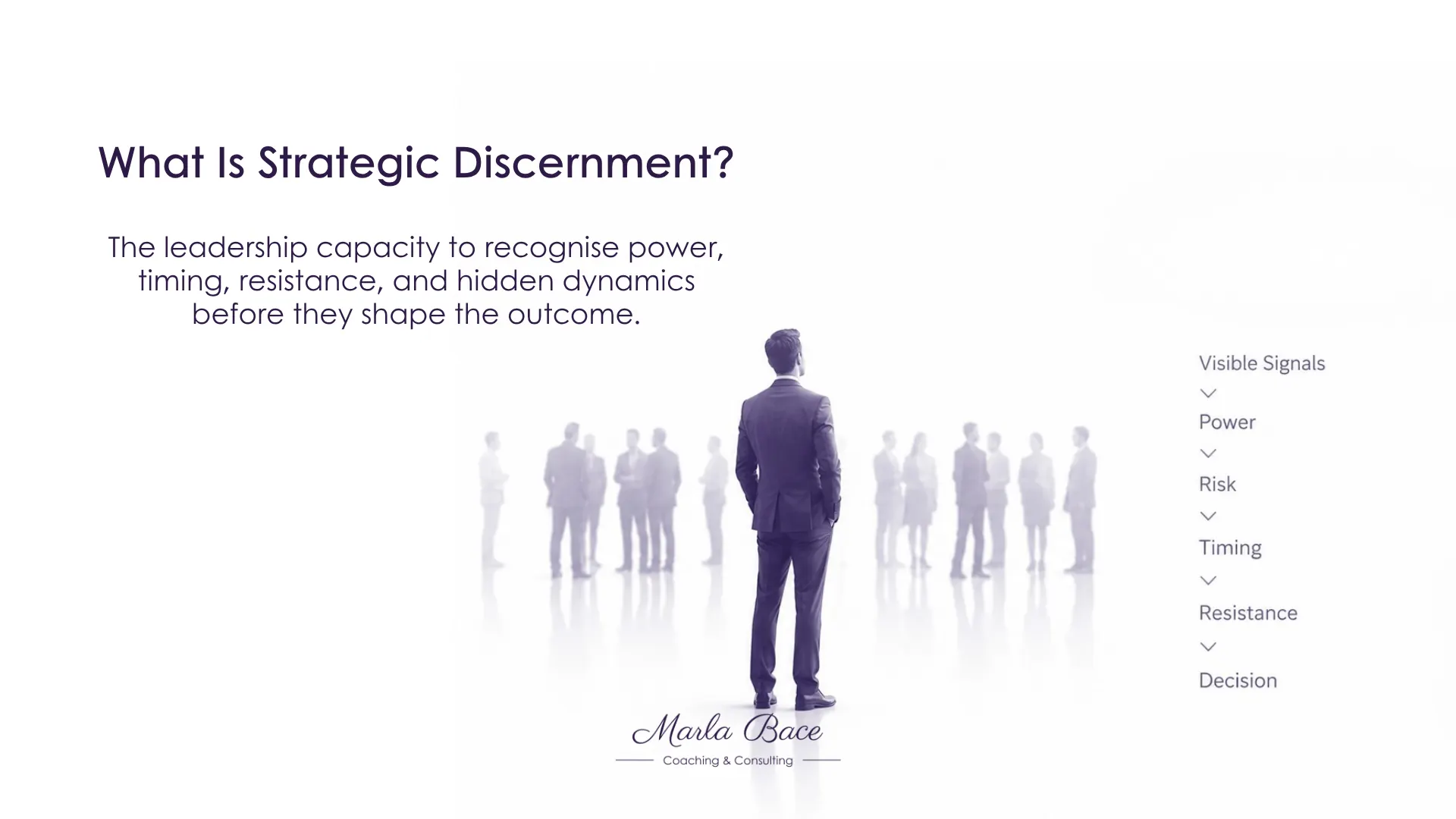
This isn’t just a productivity issue. It’s a discernment in leadership issue. In a world where urgency masquerades as importance, the ability to pause and process has become one of the most valuable and rare executive skills.
Yet few are taught how to develop it, and even fewer stop long enough to notice they’ve lost it.
Discernment in Leadership Isn’t Instinct—It’s Discipline
Most leaders are trained to act quickly, evaluate and respond swiftly, and pivot when needed. But fast doesn’t equal wise. Decisiveness without discernment in leadership can cost teams dearly.
According to McKinsey’s “Decision-Making in the Age of Urgency” report, fewer than 25% of organizations are good at stopping bad decisions before they escalate. And more than 70% of senior leaders say their teams struggle to distinguish between urgent and important. [^1]
What’s missing isn’t knowledge—it’s internal clarity. The kind that discernment in leadership provides. It helps a leader quiet the noise and ask: What matters most—right now, long term, and for whom?
That kind of reflection demands more than a gut feeling. It demands precision, values, and a willingness to pause before reacting.
The Cost of Indiscriminate Decisions
In my work coaching senior leaders, one red flag shows up repeatedly: the reluctance to pause. When leaders feel pressure to react to everything—emails, board comments, competitors’ moves—they stop leading and start absorbing.
It’s a gradual erosion of presence, replaced by constant reaction:
- A CEO who can’t sleep without checking reports at midnight.
- A department head chasing every new “priority” until the team burns out.
- A founder second-guessing every decision, not because it’s wrong, but because they haven’t built the confidence to own it.
When leaders don’t practice discernment in leadership, teams can’t prioritize. Everything feels urgent. Nothing feels clear.
The Science
Contrary to the myth, discernment in leadership is not a personality trait. It’s a learned skill—rooted in emotional intelligence, cognitive science, and reflective habits.
Let’s look at the research:
- A 2020 MIT Sloan study found high-performing executives spend 50% more time exploring alternatives before making key decisions.
- Neuroscience tells us that under pressure, our brains revert to shortcuts. The amygdala hijacks the logic system.
- Daniel Goleman emphasizes that emotional self-awareness and cognitive control are essential to know when to act—and when not to.
The best leaders don’t just know more. They notice differently—and they notice what others miss.
Practicing Discernment in Leadership: A Real-World Framework
A COO client of mine once shared her Friday ritual: a “thought audit.” Every week, she reviews her top five decisions and reflects on:
- What triggered the decision—urgency, data, ego, or emotion?
- Was it necessary, or just noise?
- Would she make the same call again?
That simple ritual revealed that over 40% of her “urgent” actions were emotionally driven. Naming the pattern helped her improve her leadership discernment, reduce burnout, and increase team trust.
Want a similar shift? Here’s the process I recommend:
Name the noise. Identify what’s really driving your response.
Ask: “If we wait 72 hours, what changes?” This filters emotion-driven urgency from true priority.
Filter through your values. If the decision doesn’t advance the mission, why are you making it?
Discernment Isn’t Hesitation. It’s Leadership Precision.
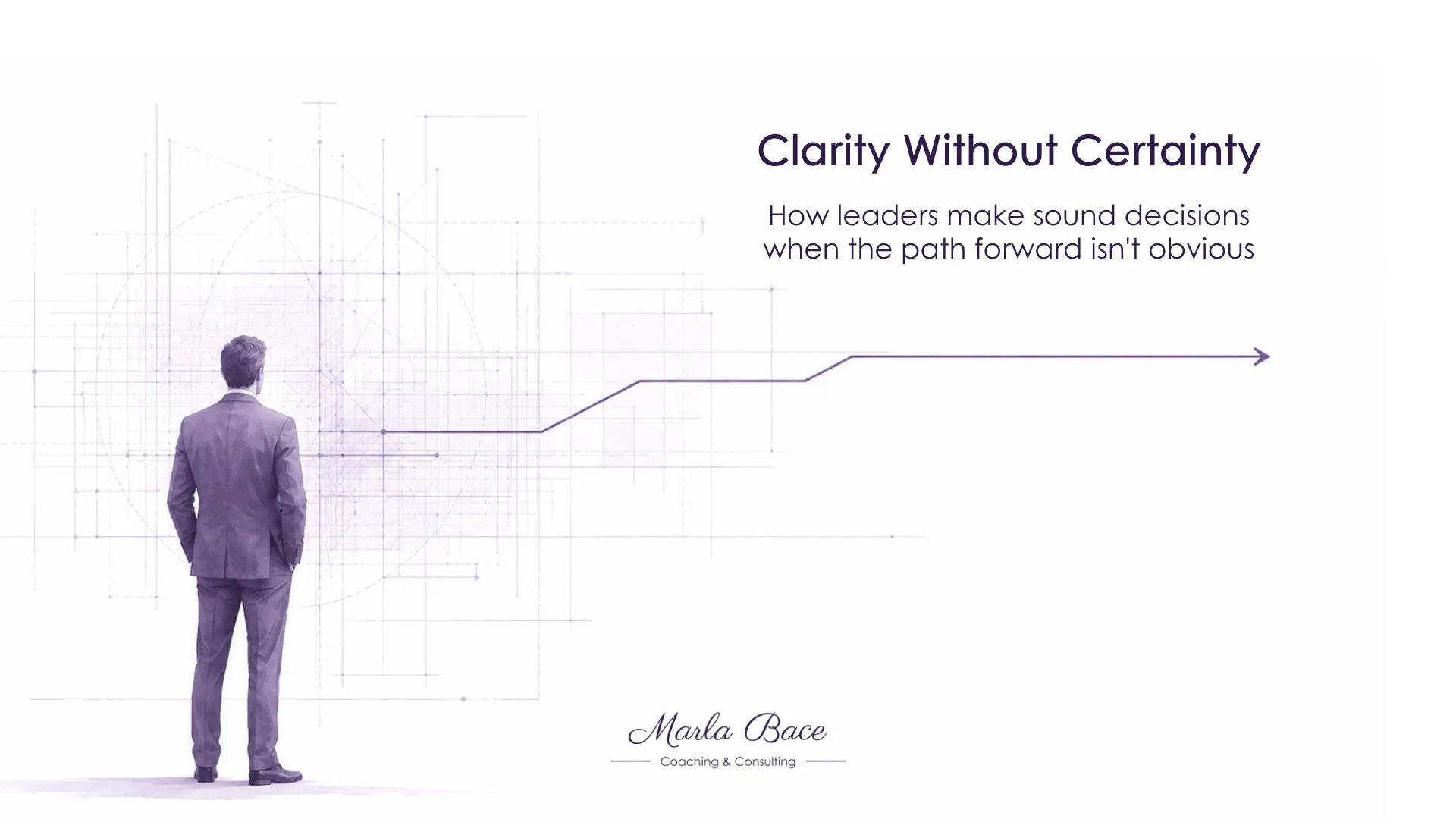
There’s a myth in business that confidence means certainty. But the leaders who inspire the most trust are often the ones willing to say: “Let’s wait 24 hours.”
Not because they’re indecisive—but because they know that clarity compounds.
Discernment in leadership is about pacing with purpose. It’s knowing when urgency is real and when it’s just adrenaline.
Final Thought: The Quiet Power of Discernment in Leadership
In a world built on speed, real leadership isn’t about reacting first. It’s about choosing to respond well.
Discernment in leadership is the secret to confidence without chaos. It’s how you make decisions that hold up under scrutiny—and how you model decision maturity for others.
Because the leaders shaping the future aren’t just moving fast.
They’re moving wisely.
Sources:
McKinsey: Decision-Making in the Age of Urgency