Why Do Leaders Pause on Decisions They Already Know Are Right?
There’s a moment in senior leadership that doesn’t get talked about openly. Leadership decision making is often at the heart of these rarely discussed experiences.
Not uncertainty.
Not a lack of information.
Something quieter — and more career-defining:
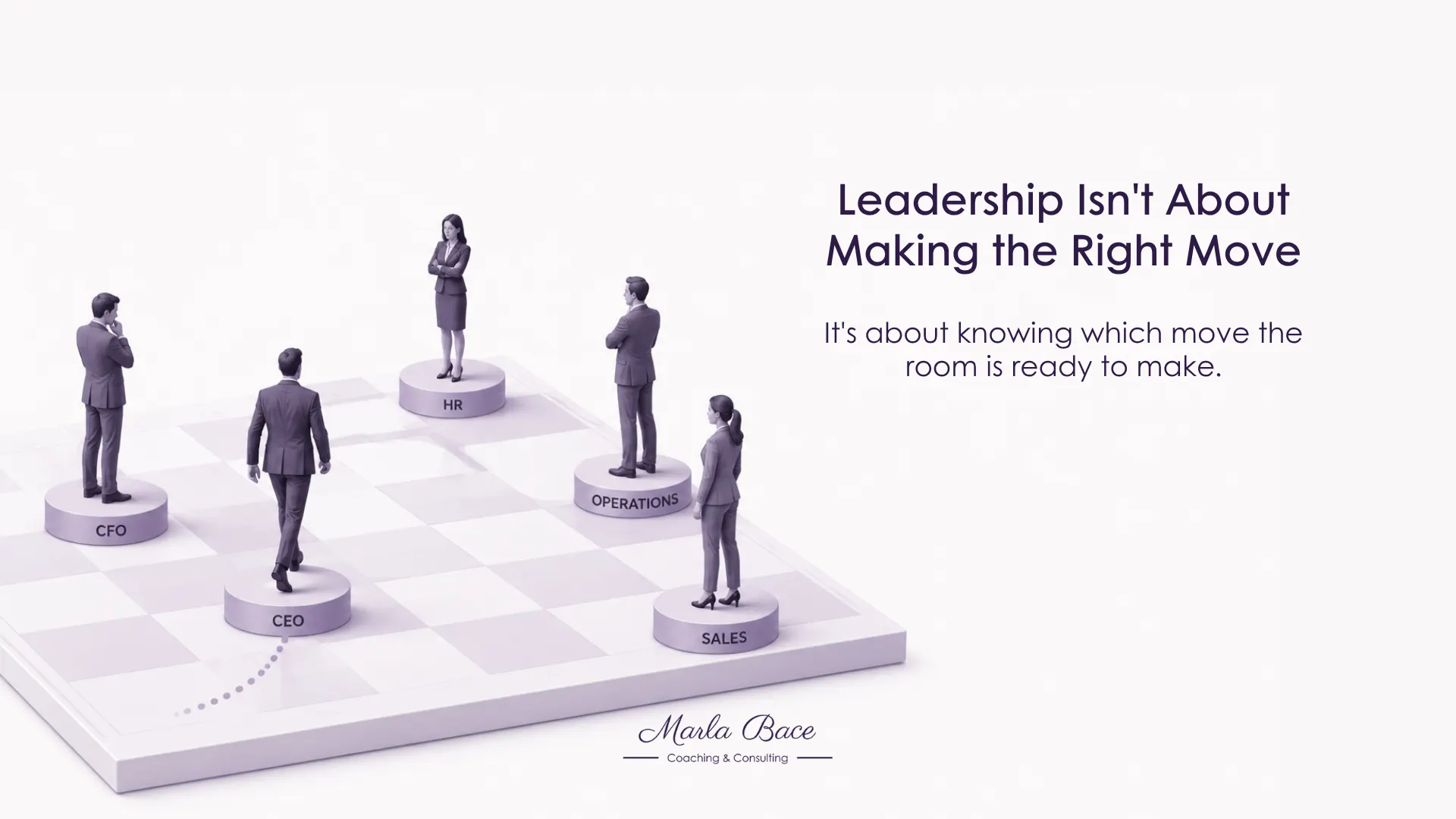
The moment a leader already knows the decision… and still waits.
Not because they’re indecisive.
Because the decision carries weight — politically, relationally, personally.
And at senior levels, decisions don’t just affect outcomes.
They affect:
- people
- relationships
- team stability
- visibility
- political dynamics
- how the leader will be interpreted at the executive table
This is where critical decisions quietly stall — and where leadership decision making becomes visible to everyone except the leader.
Not because they don’t know what to do.
But because they’re still processing what the decision means.
Why Does Leadership Decision Making Break Down Under Pressure?
Because the delay doesn’t feel like avoidance.
It feels responsible.
Thoughtful.
Measured.
Leaders tell themselves:
- “I want more context.”
- “We need alignment first.”
- “Timing isn’t right.”
- “Let’s give it another quarter.”
Sometimes those things are true.
But often the deeper truth is this:
The decision threatens personal stability more than operational stability.
And that’s where hesitation gets misread.
Internally, it feels cautious.
Organizationally, it feels like uncertainty.
Politically, it feels like indecision.
That gap changes how leaders are interpreted in rooms they’re not in.
Why Comfortable Decisions Undermine Leadership Decision Making
Because comfortable decisions preserve something:
- a long-standing relationship
- a structure that used to work
- a high-performer who’s no longer high-performing
- a dynamic that used to feel stable
- a version of the leader’s own identity
These decisions aren’t operational.
They’re emotional — and therefore political.
The question stops being:
“What is the right answer?”
and becomes:
“What does choosing this require me to confront?”
This is where many leaders unintentionally prioritize comfort over direction — and where strategic perception begins to flatten.
What Does Delayed Decision-Making Look Like Across an Organization?
When leadership decision making slows, nothing dramatic happens at first.
But the organization feels it:
- execution slows
- conversations repeat
- accountability blurs
- cross-functional frustration increases
- teams begin filling the silence with their own interpretations
People sense the hesitation long before they can name it.
And once uncertainty enters the system, momentum dissolves quickly.
This is even more visible during:
- growth
- restructuring
- leadership transitions
- shifting priorities
- cultural change
In environments already carrying ambiguity, delayed decisions don’t just slow progress — they amplify instability.
Why Does Consensus Create False Confidence?
Because consensus feels like alignment.
But it often signals something else:
Avoidance is distributed across a group.
In executive environments:
- political dynamics
- relationship history
- future dependency
- reputation management
…all shape how freely people speak.
It’s easy for a room full of smart leaders to “agree” on a direction they don’t actually support, don’t intend to drive, or quietly hope will be postponed.
This is what I call decision drift.
Decision drift happens when leaders continue to process a decision emotionally long after they have resolved it operationally.
And drift is expensive — not immediately, but inevitably.
Why Is It So Hard to Recognize Decision Drift in Ourselves?
Because from the inside, the delay feels strategic.
You’re weighing impact, being thoughtful, and trying to avoid unnecessary damage.
But over time, thoughtful processing becomes extended hesitation.
And hesitation rewrites how your leadership is interpreted:
- peers lose confidence
- teams lose clarity
- executives question commitment
- stakeholders sense uncertainty
Leaders don’t lose credibility in big moments.
They lose it in the small, repeated hesitations no one names directly.
How Decision Drift Damages Leadership Decision Making
The cost doesn’t show up all at once.
It compounds quietly:
- execution slows
- accountability weakens
- high performers disengage
- peers question direction
- organizational trust erodes
- your leadership starts being read as cautious instead of decisive
And often the leader becomes exhausted —
not from making the decision,
but from carrying it.
Unresolved decisions drain leadership energy long before they visibly affect the business.
What Does This Look Like in Real Life?
A business owner I worked with knew what was wrong long before he acted.
Multiple consultants had already said it:
A portion of his leadership structure was no longer supporting the business.
He needed to:
- restructure
- redefine roles
- remove leaders who were holding the organization back
But these were long-tenured employees.
People he cared about.
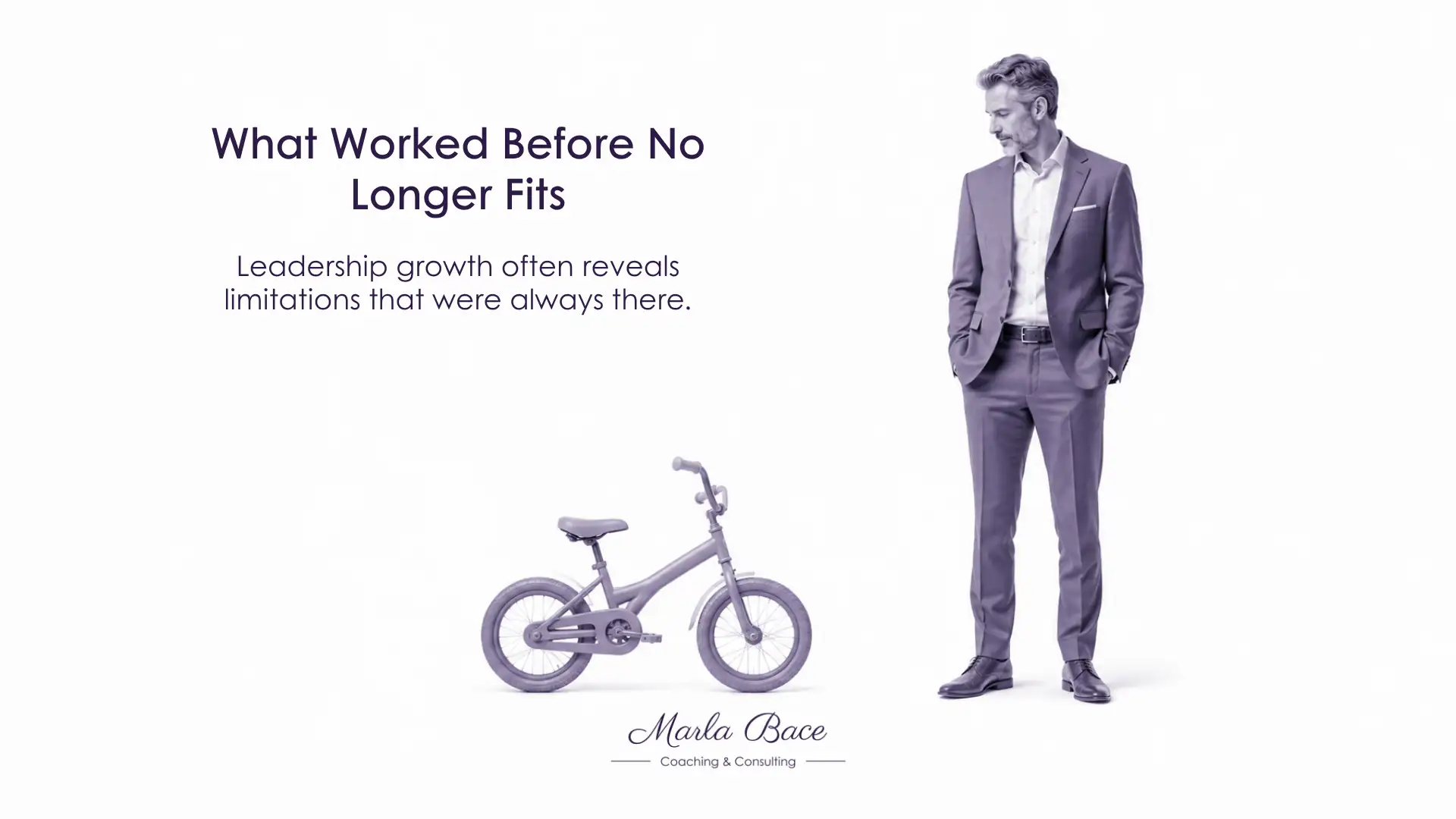
People tied his identity to that of a “loyal” leader.
So instead of acting, he stabilized.
Softened.
Delayed.
On the surface, it looked patient.
Behind the scenes, it was exhausting him.
And the organization felt it.
Decision velocity slowed.
Accountability disappeared.
Teams quietly questioned direction.
He wasn’t unclear.
He was emotionally attached.
Once he made the changes — deliberately, not impulsively — the organization moved almost immediately:
- sales increased
- morale lifted
- operational clarity strengthened
- leaders acted faster
- the culture felt lighter
Most importantly:
He stopped carrying a decision his organization had been waiting for months.
Why Do Leaders Confuse Patience With Strategic Judgment?
Because patience sounds disciplined.
But strategic patience and emotional postponement are not the same.
Strategic patience creates leverage.
Emotional postponement protects comfort.
At senior levels, organizations feel this difference immediately:
- One builds confidence.
- The other erodes it.
And even when no one says it directly, people always notice when a leader is avoiding the move they already know they need to make.
Why Modern Leadership Decision Making Is More Difficult
Modern leadership environments are:
- flatter
- faster
- more cross-functional
- more politically visible
- more expectation-heavy
Leaders are pressured to move quickly and thoughtfully simultaneously.
This increases the instinct to “wait for more clarity.”
But the real risk isn’t making the wrong decision.
It’s delaying the right one until the organization loses momentum around it.
What Does Strong Leadership Judgment Require in These Moments?
Strategic judgment requires neither certainty, consensus, nor emotional comfort.
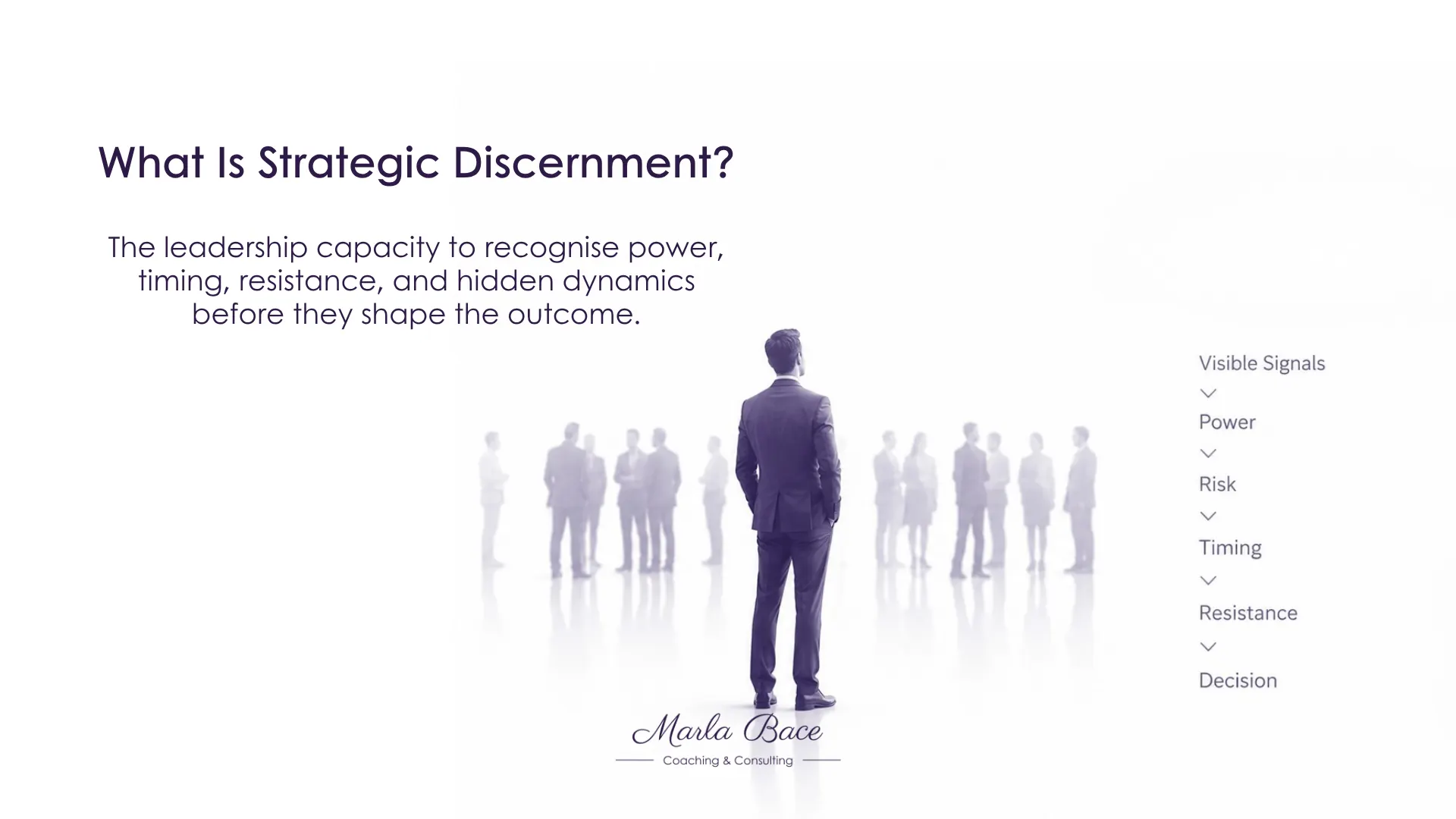
Strategic judgment requires recognizing when you’re no longer improving the decision — you’re avoiding it.
Key signals:
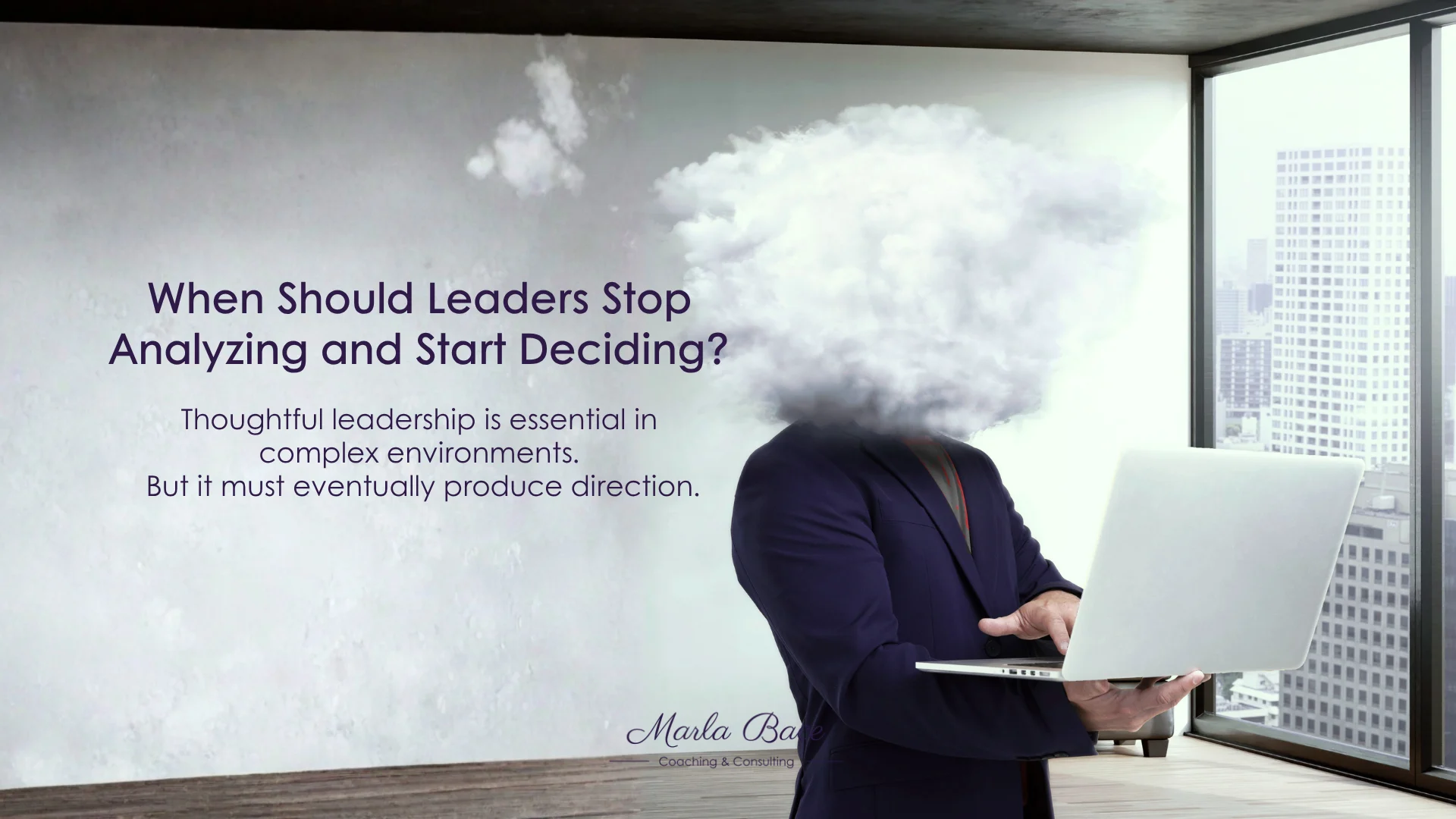
- More analysis isn’t adding value
- Consensus is masking hesitation
- Emotional attachment is affecting timing
- The organization feels the cost before you do
- Your leadership read is quietly shifting
This is the moment where leaders stop protecting stability.
and start protecting direction.
Where This Leaves You
If there’s a decision you keep revisiting —
one you understand operationally but still haven’t moved on —
the issue is no longer clarity.
It’s emotional weight.
Most leaders feel this before they can articulate it:
The conversations circle.
The energy lingers.
The decision follows you home.
That’s usually the signal.
And it’s the exact moment where leadership transitions from intelligence to judgment.
A Final Reflection
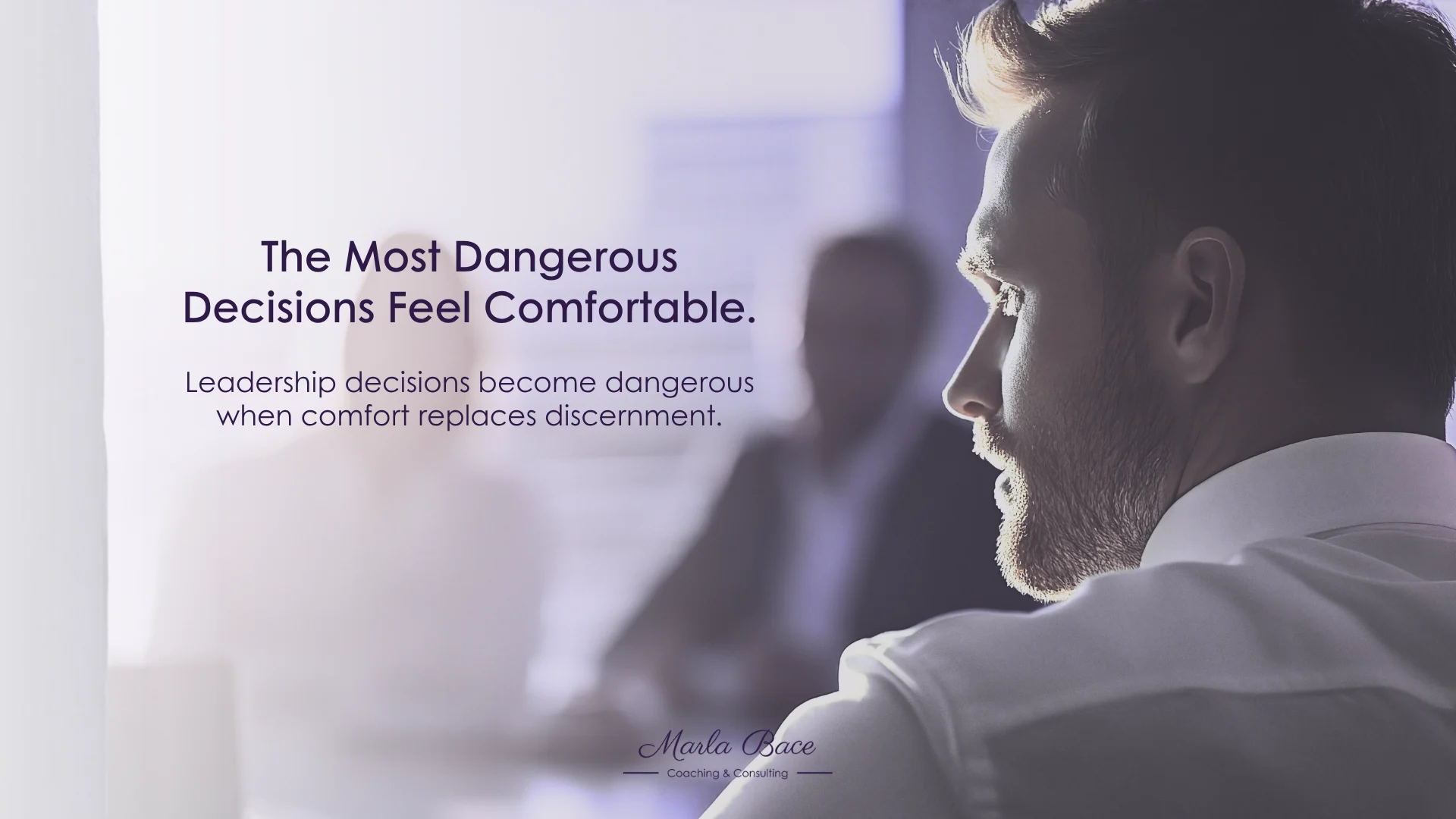
The most dangerous leadership decisions aren’t the impulsive ones.
They’re the comfortable ones.
The ones that preserve stability long enough for the organization to lose momentum slowly — and for peers to quietly question your decisiveness.
Leadership isn’t tested in moments of crisis.
It’s tested in the quiet moments when you already know what needs to happen…
and have to decide whether you’re willing to move anyway.
If This Feels Familiar
This is where leadership stops being analytical
and becomes psychological, political, and deeply personal.
It’s also where the work becomes clearer in conversation.