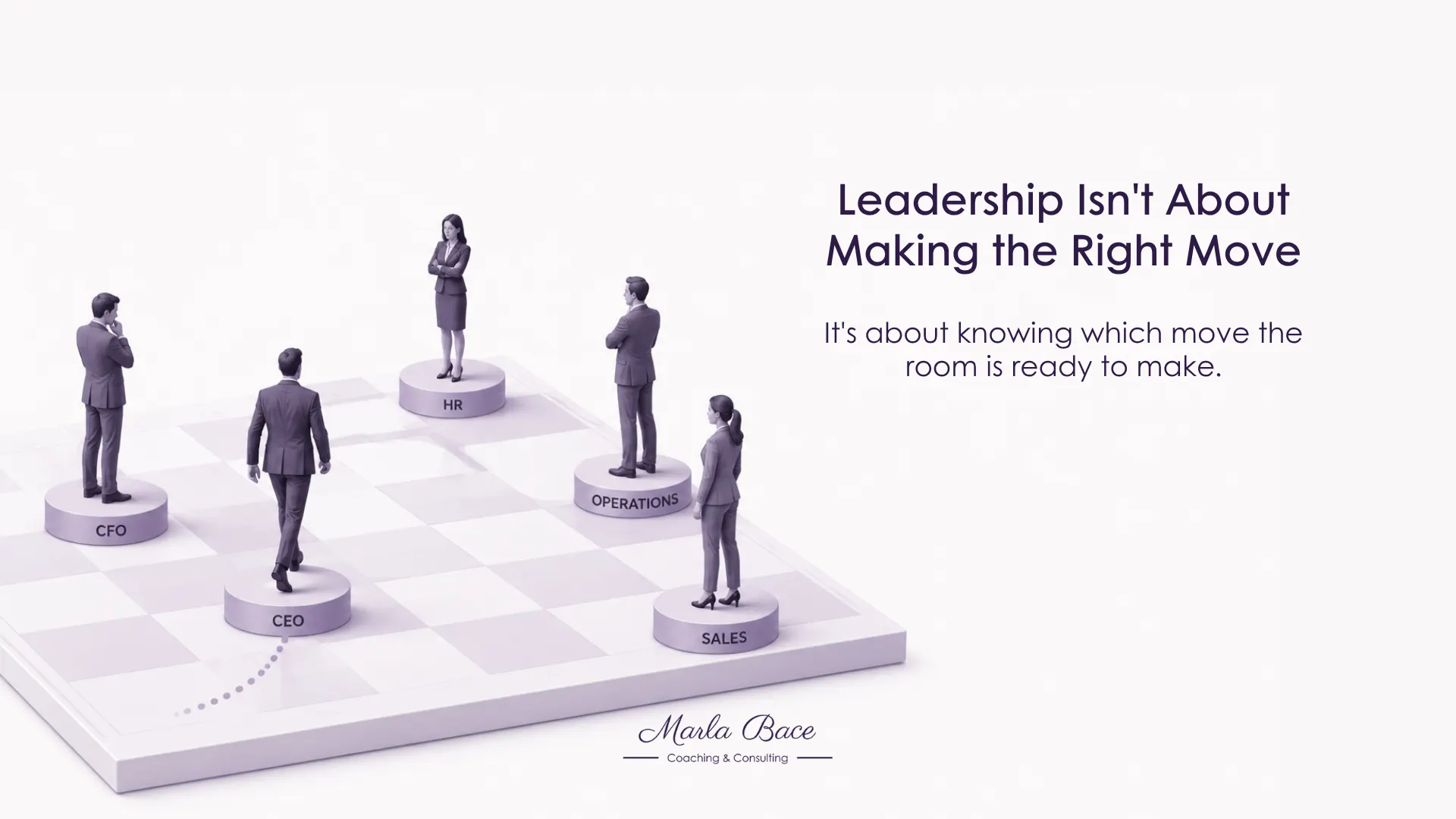
Strategic leadership impact comes from understanding not only what decisions need to be made, but how those decisions will be interpreted, adopted, and sustained. Most senior managers focus on precision—getting the analysis, strategy, or execution exactly right. What often determines long-term influence, however, is a leader’s ability to combine sound judgment with presence, discernment, and an understanding of the human dynamics surrounding a decision. Precision creates action. Insight creates lasting impact.
What Creates Strategic Leadership Impact?
In high-stakes leadership, the word “precision” receives considerable attention. Strategic precision. Tactical precision. Outcome precision. However, achieving precision and Soul Presence is equally vital for effective leadership.
Strategic precision is indeed crucial, but it’s not the sole determinant of effective leadership. Many leaders operate under the assumption that a flawless plan and swift execution guarantee results. However, those who consistently achieve sustainable, long-term results understand a deeper truth. A strategy reaches its full potential only when it’s complemented by emotional intelligence, human insight, and the presence to lead in real-time. This insight, often overlooked, is what truly empowers leaders and makes them integral to the leadership process.
Strategic leadership impact is created when leaders understand not only what decisions need to be made, but how those decisions will be received and sustained across the organization.
This is where Soul Presence comes in. Soul Presence is not a mystical or abstract concept; it’s a practical, intentional leadership skill. It’s the ability to be fully present, tuned into the dynamics around you, and able to act with clarity that resonates on both a rational and emotional level. In simpler terms, it’s about being fully engaged in the present moment. Understanding the people and situations around you, and making decisions that consider both the facts and the feelings involved.
When Strategic Precision, Human Insight, and Soul Presence work together, the result is more than a well-executed plan. It’s a leadership approach that builds executive presence, inspires trust, fosters loyalty, and delivers outcomes that last.
While I have written and spoken extensively about emotional intelligence in leadership, it is the need to integrate human insight with soul presence that provides the edge that EQ alone cannot.
Why Strategic Leadership Impact Requires More Than Precision
Strategic precision is non-negotiable for leaders operating at the top. It’s what earns you a seat at the table and the confidence of stakeholders. But it’s also where many stop, assuming that a solid plan and disciplined execution are all that’s needed.
The reality is that business strategy, no matter how carefully crafted, exists in a human environment. People interpret it, execute it, challenge it, and either rally behind it or resist it. The difference between a plan that thrives and one that struggles often comes down to the leader’s ability. They must apply emotional intelligence and human insight at every stage.
Precision without human insight can miss critical emotional undercurrents. Consider the silent hesitations in a meeting, the unspoken resistance from a key player, or the stress that clouds someone’s judgment. Over-reliance on a head-only strategy risks creating blind spots that quietly undermine results.
Presence and trust are intricately linked. When you lead from a place of presence, you’re able to pick up on what’s not being said and adjust in the moment. You ensure that your strategy is landing the way you intended. This ability to “read the room” and adapt is at the core of executive presence. It builds trust and reassures your team and stakeholders that you’re aligned with their needs and goals.
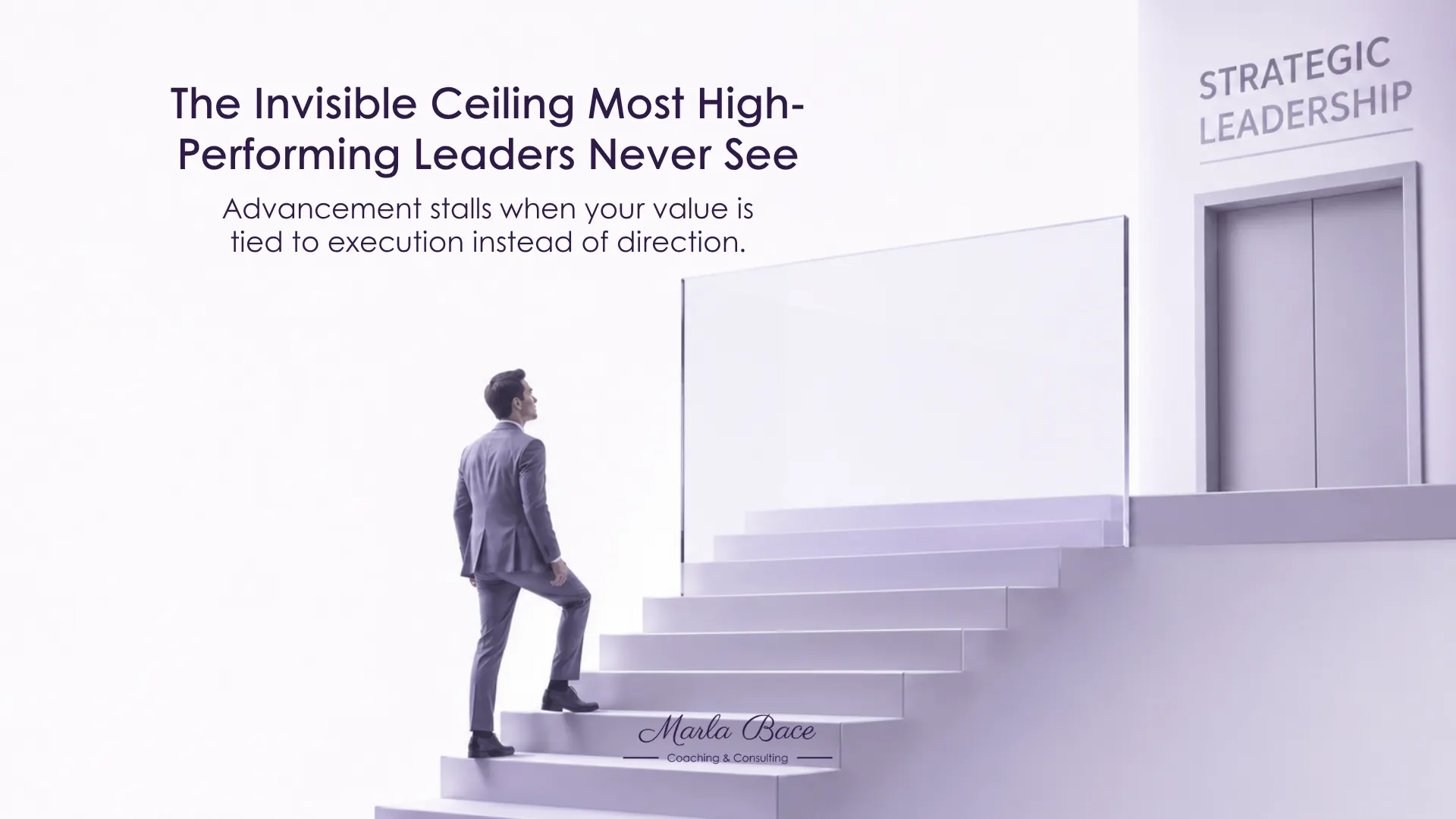
Many leaders focus on execution, yet strategic leadership impact depends on influence, alignment, and the ability to shape thinking beyond immediate results.
The Three Pillars of Soul Presence in Leadership
In my work with executives and business owners, I’ve found that Soul Presence — in the leadership context — rests on three core pillars:
1. Clarity
Clarity is more than knowing your objectives and KPIs. It’s being crystal clear on the why behind them and being able to articulate that “why” in a way that inspires alignment. Leaders with clarity remove ambiguity, set the tone, and ensure everyone knows not only the destination but also the purpose of the journey.
2. Connection
Connection is the capacity to listen beyond the words, to read the energy and engagement in the room, and to meet people where they are. It’s about trust, not just being trusted, but extending trust to others in a way that empowers them to lead in their own right.
3. Calm Execution
Calm execution is decisive action taken from a grounded state. It’s the ability to move forward without urgency clouding judgment, even when the stakes are high. This doesn’t mean moving slowly; it means moving deliberately, from a place of stability that others can anchor to. In practical terms, it’s about making leadership decisions based on a clear understanding of the situation. This is preferred rather than reacting impulsively to pressure.
Presence in Action – Two Real Stories
My client came into our session prepared; she had filled out our preparation worksheet, outlining her thoughts and desired topics to be covered. On paper, it was thorough. But once we started talking, it became clear that she wasn’t sure how to translate those ideas into action. Instead of staying on plan, I stayed fully present. I asked questions that allowed her to reflect, pulled from my own experience to illustrate options, and resisted the urge to over-direct. Because I was present and connected, she left after just 30 minutes. She had complete clarity on how to apply what she’d learned. The written plan was fine; the real shift happened in the conversation.
In another engagement, I planned to review the results of an assessment and outline its implications for organizational interaction. Partway through a recent example, I saw it — a flicker of genuine emotion in their eyes. I could have ignored it and pushed forward with the agenda. Instead, I paused. I redirected. And that’s when real insight emerged: they recognized that when operating under stress, their actions were producing unintended consequences. This was not on my agenda for the day, but it was the most valuable takeaway they could have had. That moment of presence gave them a mirror they hadn’t held up before.
How Strategic Leadership Impact Shapes Organizational Outcomes
One of the most common questions I get is, “How do I make space for this in a high-pressure environment?” The good news is that integrating presence doesn’t necessarily mean slowing down. Here are a few practical ways to incorporate presence without sacrificing results:
- “The Pause” – Pause Before You Decide, even 30 seconds of quiet reflection can change the quality of your decision-making.
- Lead with a Question – Before offering your view, ask one clarifying question. It signals respect and surfaces perspectives you might miss.
- Watch for Non-Verbal Cues – Engagement, hesitation, or discomfort often show up physically before they’re expressed verbally.
The difference between short-term success and strategic leadership impact is often a leader’s ability to connect decisions to broader organizational outcomes.
The Relationship Between Strategic Leadership Impact and Executive Presence
When you combine all three, you get:
- Increased trust – your team and stakeholders feel understood, respected, and valued.
- Sustainable energy and clarity – you can lead without constant depletion, keeping yourself and your organization in a state of forward momentum.
- Outcomes that are both accurate and aligned, reducing the friction between strategy and execution.
Developing strategic leadership impact requires leaders to balance precision, discernment, and presence in increasingly complex environments.
The Shift to My New Focus
For years, my work has been rooted in strategic clarity and measurable results. That hasn’t changed — and it never will. But I’ve seen too many situations where leaders have the right strategy and still fall short. This happens because they aren’t bringing their full presence to the table.
In 2025, I have seen many starts to speak about the need for “Chief Consciousness Officers,” or discuss meditation and intuition in the mainstream. Even my most-followed articles, newsletters, or posts, which receive the most interaction, deal with intuition.
That’s why my focus is evolving to center on three interconnected elements:
- Human Insight – the ability to read, understand, and act on the human dynamics that drive execution.
- Soul Presence – leading from a grounded, authentic state that allows you to respond — not react — to the moment. Also known as radical trust.
- Real Results – translating strategy into outcomes that last, with teams that are engaged and aligned.
This isn’t about softening leadership outcomes. It’s about strengthening it. When you lead with human insight and soul presence, you enhance your strategic precision. This makes it sharper, more relevant, and more impactful. You don’t just hit your targets; you elevate the way your people experience leadership itself. And that’s what creates results worth repeating.
If you consistently deliver strong work but want your influence and impact to extend beyond execution, a Clarity Review can help.
Together, we explore the hidden dynamics, perceptions, and leadership patterns that shape how your ideas are received and where your greatest opportunity for impact exists.
The Clarity Review was designed for exactly this stage of leadership growth.
A short, focused session to help you see what’s yours to carry—and what isn’t.
Frequently Asked Questions
Strategic leadership impact is the ability to create meaningful, sustainable change through decisions, influence, and leadership presence. It goes beyond delivering results to shaping how people think, act, and align around a direction.
Even the most accurate strategy can fail if leaders do not understand stakeholder concerns, organizational dynamics, or how decisions will be received. Success often depends as much on implementation and influence as it does on analysis.
Leadership presence shapes how others respond to your ideas, decisions, and direction. When leaders communicate with clarity and credibility, they increase trust, alignment, and commitment.
Insight helps leaders identify patterns, risks, and opportunities that may not be immediately visible. It allows them to make decisions with a broader understanding of context and consequences.
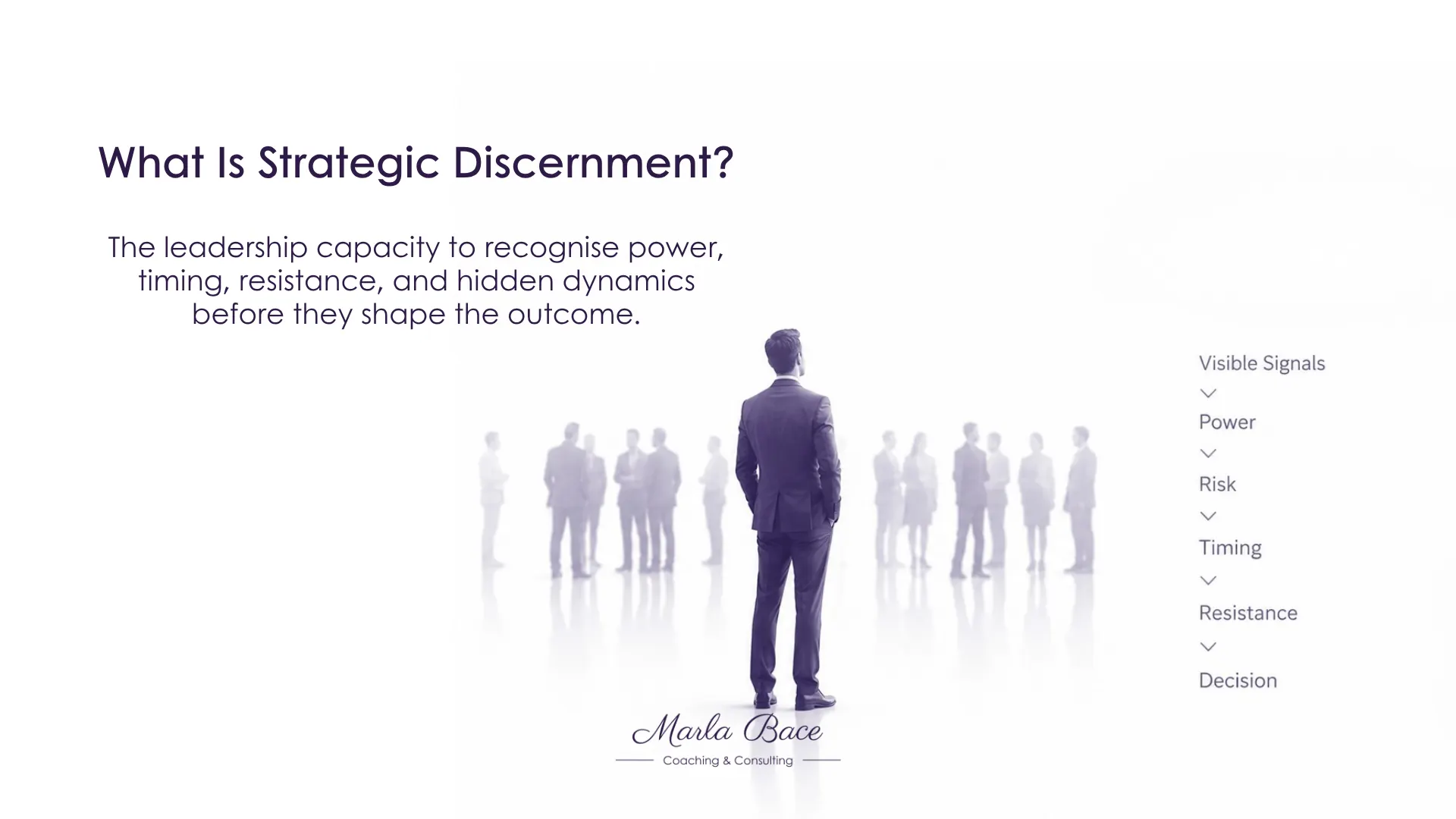
Developing strategic impact requires more than technical expertise. Leaders often need stronger discernment, greater awareness of organizational dynamics, and the ability to influence across functions and stakeholder groups.