Executive Takeaway
High performance can look like underperformance when the environment no longer matches the leader’s capability. The issue is not always effort, attitude, discipline, or skill. Sometimes the system is no longer designed to recognize, use, or reward the way a high-capacity leader actually creates value. Situational intelligence helps distinguish a true capability gap from an environment fit gap, so the leader stops trying to self-correct inside a context that is actively distorting their effectiveness.
In This Article
- Why identical capability can produce different results in different environments
- Who this article is really for
- How environments actively suppress high performers without announcing it
- Why individual performance data is incomplete without environmental context
- How to diagnose whether the problem is capability, context, or fit
- What high performers usually do in the wrong environment, and why it has a ceiling
- How situational intelligence helps leaders read the actual environment
- Why over-adapting can weaken authority, confidence, and advancement
- How Marla’s advisory lens helps leaders locate the real source of friction
- How the 15-minute playbook and 30-minute strategy session support a more accurate read
- Frequently asked questions about high performance, environment fit, and career misalignment
Executive Summary
- What this article addresses: The experience of being a high performer whose effectiveness, energy, or visibility declines when the environment no longer matches the way they think, lead, and create value.
- What is often happening: The leader is working harder, delivering well, and still feeling friction because the organization is not set up to recognize or use their highest-level contribution.
- Why this matters: Misreading an environment fit gap as a personal performance problem can drain confidence, stall advancement, distort feedback, and keep capable leaders over-functioning in a system that cannot fully receive their capability.
- What situational intelligence helps you do: Read the environment, identify which dynamics are suppressing effectiveness, and distinguish between what is yours to strengthen and what the context is not designed to support.
- What the accurate read restores: The ability to stop personalizing friction that belongs to the environment and make a cleaner decision about whether to adapt, reposition, or move.
- What to do next: Diagnose the source of the mismatch before adding more effort, more adaptation, or more self-correction to a problem that may require a different environment or a different operating strategy.
What Happens to High Performers When Their Environment Stops Matching Their Capability?
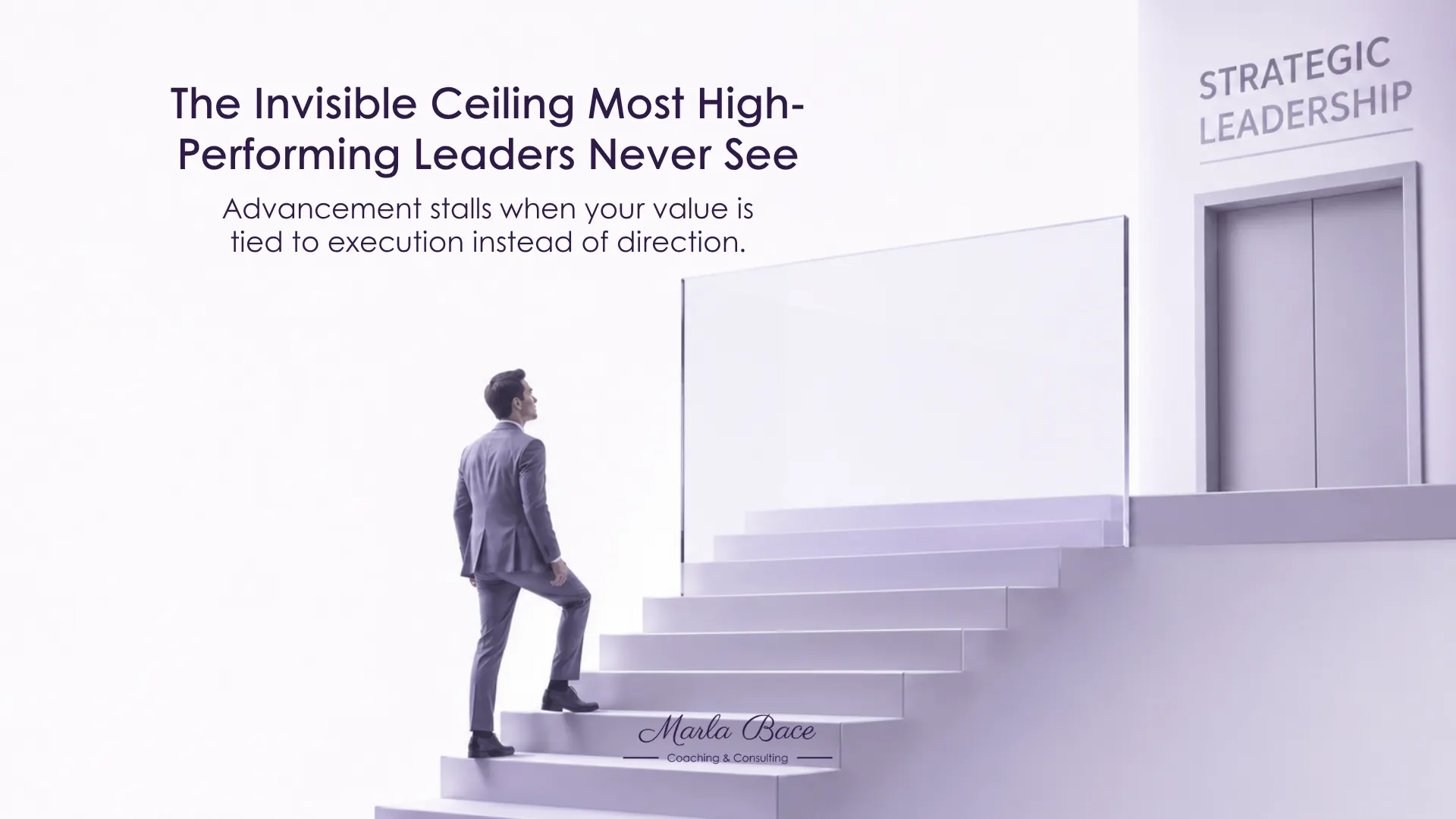
High performance in the wrong environment does not always look like high performance. It can look like friction, inconsistency, over-extension, under-recognition, and results that do not reflect the quality of the person producing them.
When capable professionals begin underperforming, the default assumption is that something is wrong with them. They need more discipline, more resilience, better communication, stronger boundaries, sharper executive presence, or a reset.
Sometimes that is true.
But often, especially at senior levels, the more useful question is whether something is wrong with the fit.
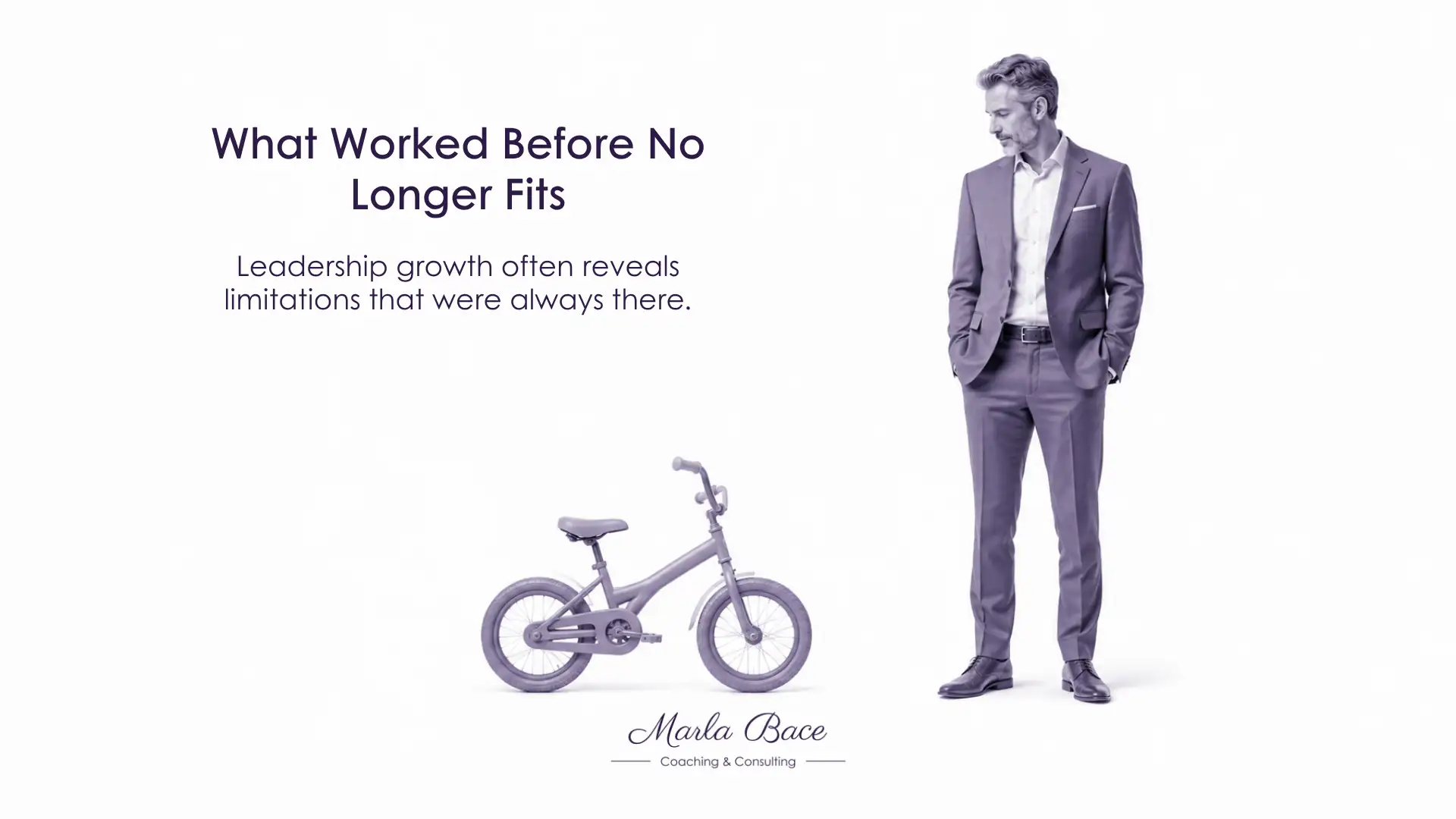
A high performer can be deeply capable and still lose traction inside an environment that does not match their judgment, pace, values, decision style, or level of contribution. The problem is not always capability. Sometimes the environment has stopped being a place where that capability can convert cleanly into influence, authority, or meaningful outcomes.
That distinction matters because the wrong diagnosis changes the intervention. A leader can spend an entire season trying to repair themselves when the real issue is that the environment has stopped being a clean instrument for their capability. If you treat an environment mismatch like a personal performance issue, you will keep asking the leader to adapt to a structure that may be actively suppressing the very capability it claims to need.
Who Is This Article Really For?
This is not primarily for someone who is avoiding responsibility, resisting feedback, or looking for a reason to blame the organization.
This is for the senior manager who is working hard, delivering well, and still feels as if every meaningful result requires too much force.
It is for the director whose judgment is sound, but whose environment keeps rewarding a different operating style.
For the executive who can see the bigger picture, but spends most of their energy navigating bottlenecks, personality dynamics, delayed decisions, and systems that dilute the work before it can land.
And it is for the high-capacity leader who used to feel effective, clear, and in motion, but now feels like their best work is constantly being translated into something smaller, slower, or less visible.
It is for the person who has asked, “Why am I so good in some environments and so heavy in this one?”
That question is not weakness. It is data. High performers are not equally effective everywhere. Capability needs a context that can recognize it, use it, and make room for the level at which it operates.
If you have ever noticed that the harder you work, the less cleanly your value seems to travel through the organization – or felt yourself becoming heavier, slower, or less visible in a role that should have fit your capability better than this – this is the mismatch I am naming.
If you have ever felt yourself becoming heavier, slower, or less visible in a role that should have fit your capability better than this, this is the mismatch I am naming.
What Is the Performance Paradox for High Performers?
The performance paradox is that identical capability can produce radically different results in different environments.
The same leader who looks sharp, decisive, and strategic in one organization can look reactive, inconsistent, or under-leveraged in another or the same judgment that creates momentum in one room can create friction in a room that is not structured to hear it. The same directness that reads as leadership in one culture can read as intensity in another.
That does not mean the leader has changed. It means the environment has changed the way their capability is received.
This is why individual performance data is incomplete without environmental context. A performance review can tell you what was observed. It may not tell you whether the environment made the leader’s highest contribution visible, usable, or safe to express.
At senior levels, performance is not just about what you can do. It is about whether the environment allows your judgment to move. Can decisions absorb your input? Could the organization use your level of thinking? Can the culture tolerate the implications of what you see? Could your role carry the authority your capability requires?
If the answer is no, the leader may start looking less effective even while they are working harder than ever.
This is where strong people often get misread. They are told to improve their communication, manage their energy, build stronger influence, or adjust their expectations. But the deeper issue may be that their capability is operating above, outside, or against the current design of the environment.
You cannot evaluate performance accurately if you refuse to evaluate the conditions performance is happening inside.
The issue is not whether the leader still has the capability. It is whether the environment can convert that capability into movement, visibility, and decision weight.
How Do Environments Actively Suppress High Performers?
Environments rarely announce that they are suppressing capability. They usually call it process, culture, alignment, patience, collaboration, or “how things work here.”
But some environments quietly make high performance harder to sustain. Not because people are malicious. Because the system rewards, protects, and notices certain kinds of contribution while ignoring others.
Structural Invisibility
Structural invisibility happens when the environment does not recognize your particular kind of value. You may be excellent at pattern recognition, strategic judgment, risk anticipation, stakeholder translation, or seeing the problem underneath the problem. But if the organization only rewards visible activity, fast output, or constant responsiveness, your highest contribution can disappear.
You may be preventing problems that never become visible or you may be making decisions cleaner before others know there was a mess. You may be carrying complexity so well that people mistake it for ease. In the wrong environment, the better you are at holding the real work, the less the system may notice what you are actually doing.
Decision Dynamics That Reward a Different Operating Style
Some environments reward the loudest voice, the safest answer, the most politically protected person, or the person willing to perform urgency on command. Others reward consensus so heavily that independent judgment becomes inconvenient.
If you are a leader who works from discernment, synthesis, timing, and consequence, but the environment rewards speed, optics, and visible control, your capability may not land as strategic. It may land as slow, difficult, too nuanced, or not aligned.
That does not make your read wrong. It means the environment is rewarding a different signal.
A Mismatch Between How You Think and How Power Moves
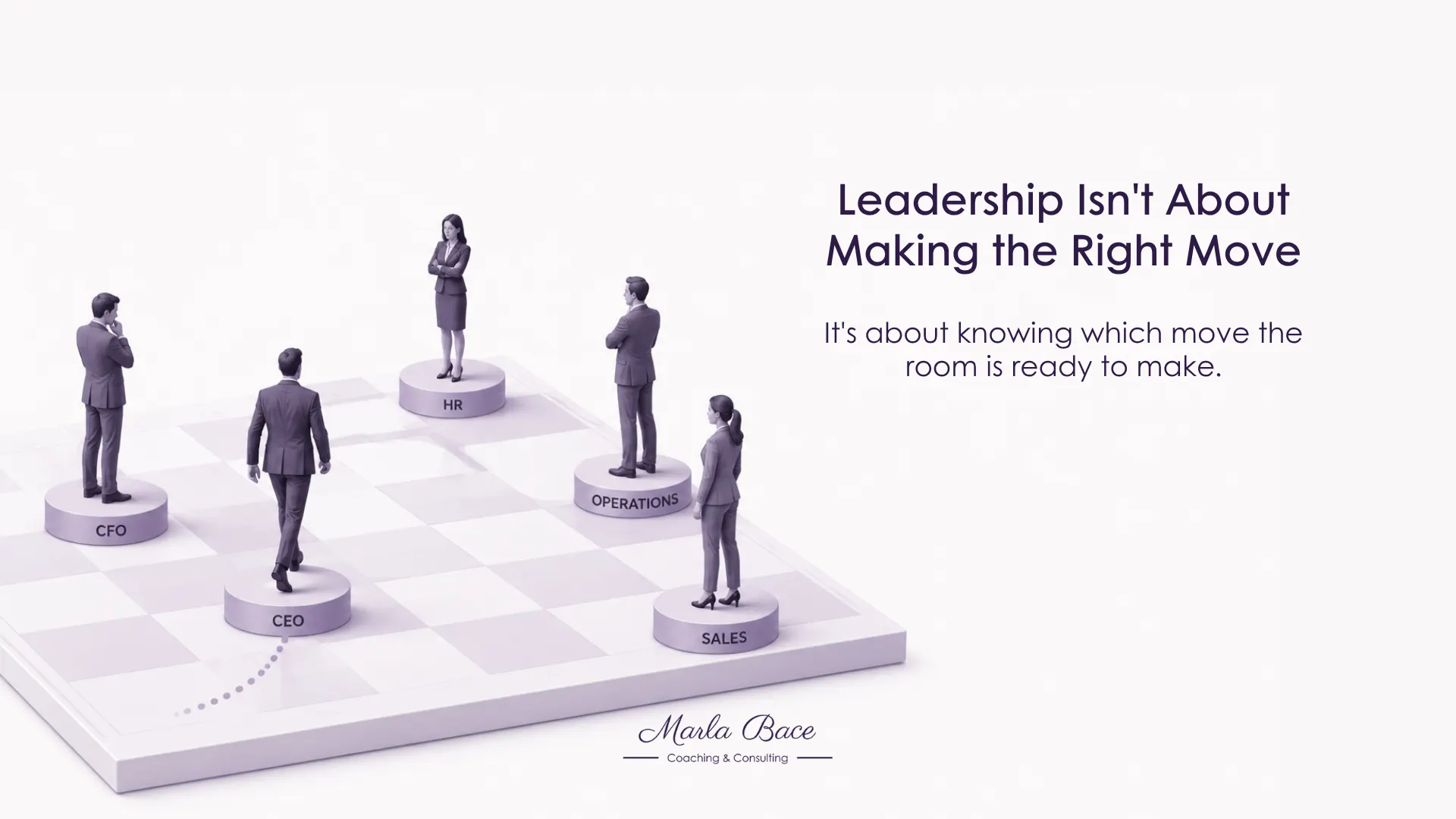
Every organization has a way power moves. Sometimes it moves through formal roles and sometimes it moves through long-standing relationships. Sometimes it moves through proximity to the founder, board pressure, legacy narratives, fear of conflict, or who can calm the room fastest.
When your thinking is strategic but power moves through dynamics you have not yet read, your contribution may not reach the people or moments where it can matter. You may be right and still ineffective. You may have the strongest read and still miss the decision point.
This is not an argument for becoming political. It is an argument for situational intelligence. If you do not understand how the environment actually works, you may keep sending high-quality contribution into a system that is not designed to receive it.
When the environment keeps rewarding a narrower signal than the one your capability naturally produces, friction is not random. It is structural.
What Does This Look Like in a Real Leadership Moment?
A high-performing director steps into a new organization after years of being known as clear, fast, and commercially sharp. In their prior environment, they could see the pattern, name the risk, recommend the move, and watch the business respond.
In the new environment, the same pattern recognition creates friction. The director sees a decision risk early and names it. The room slows down. A senior stakeholder redirects the conversation to process. Another asks for more alignment. The director leaves the meeting feeling strangely ineffective, even though the read was accurate.
Over time, the director adapts. They soften the recommendation or they wait longer before naming risk. They add more proof and they become more careful. Their work gets heavier, but their influence does not increase.
From the outside, this can look like a confidence issue, a communication issue, or a style issue. But the real issue is environmental. Their capability is not being rejected because it lacks value. It is being filtered through a system that is protecting something else.
That is the kind of moment situational intelligence helps you read. The question is not simply, “How do I perform better?” The better question is, “What is this environment doing with my capability?”
The problem was not that the director had become less capable. The problem was that the environment had changed the terms under which capability could land.
How Do You Diagnose Whether the Problem Is You or the Environment?
The point of this diagnostic is not to excuse underperformance. It is to locate the source accurately enough to choose the right move.
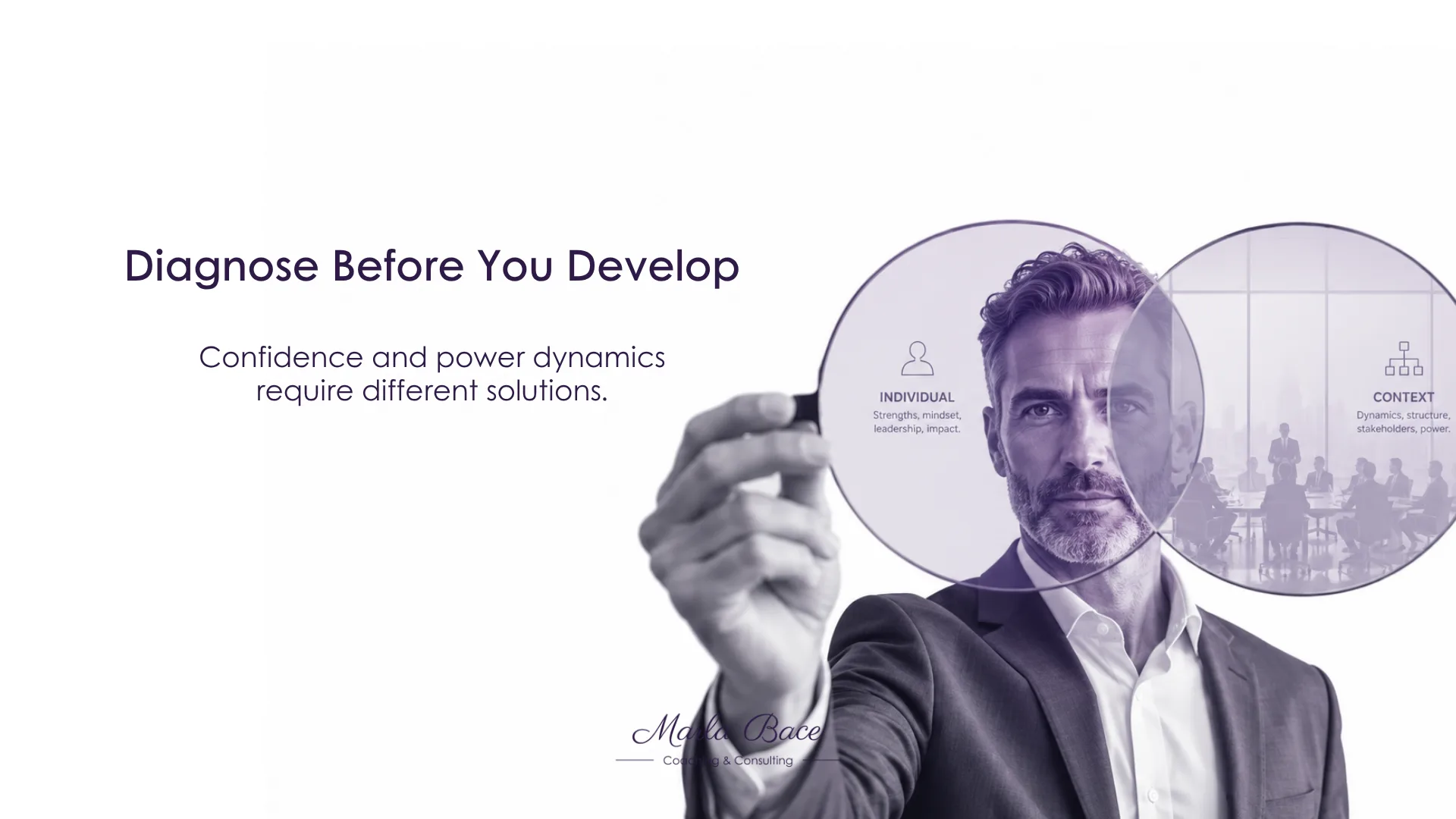
A capability gap asks for development. An environment fit gap asks for discernment, repositioning, renegotiation, or movement. If you confuse the two, you can spend months trying to become better at surviving a system that is not designed to let your best work lead.
Do I Perform Well in Some Contexts and Poorly in This One?
If your capability shows up clearly in certain rooms, relationships, projects, or organizations, but collapses in this specific environment, that is important data. It suggests the issue may not be global performance. It may be context.
Is My Highest-Value Contribution Visible Here?
Ask whether the environment actually sees the work that matters most. Does it recognize judgment, prevention, synthesis, risk reading, stakeholder translation, and strategic anticipation? Or does it only notice visible output, speed, responsiveness, and tactical completion?
Am I Being Asked to Carry Complexity Without Being Given Authority?
This is one of the clearest fit-gap signals. You are pulled into ambiguity, cleanup, difficult stakeholders, and consequential work, but not into the decisions that created the mess or determine the next move.
Does Feedback Match the Actual Work I Am Doing?
If the feedback is vague, repetitive, or focused on style while ignoring the complexity you are carrying, the environment may be misreading your level. That does not mean all feedback is wrong. It means the feedback may be describing how the system experiences you, not the full value you are creating.
Am I Adapting in Ways That Make Me Less Effective?
If the adaptation required to survive the environment makes you less clear, less decisive, less honest, less visible, or less connected to your judgment, the cost is no longer neutral. You are not just adjusting. You are shrinking your capability to fit the room.
The goal is not to blame the context for everything. It is to stop assuming every point of friction belongs to you.
What Do High Performers Usually Do in the Wrong Environment?
High performers usually do not start by leaving. They start by trying harder.
At times they work more. They adapt more or they prepare more. They manage more personalities. Some translate more or they soften more. They carry more context, more nuance, more emotional labor, more cleanup, and more responsibility for outcomes they do not fully control.
At first, this can work. High performers are good at compensating. That is part of the problem. They can absorb environmental dysfunction for a long time before anyone else sees the cost.
But there is a ceiling.
Past a certain point, more effort stops being evidence of commitment and starts becoming evidence that the environment is requiring distortion in order to function.
Working harder can keep the system moving, but it does not necessarily change how the system values you. Adapting more can reduce visible conflict, but it can also teach the environment that you are available to keep absorbing the mismatch. Making yourself smaller can make you easier to manage, but it rarely makes you more powerful.
This is how capable leaders end up underperforming by over-functioning. Their effort increases while their authority, clarity, and energy decline.
The danger is not only burnout. It is identity distortion. After enough time in the wrong environment, a high performer may start believing the friction is proof that they are less capable than they are. The system becomes the mirror. And if the mirror is distorted, self-trust starts to erode.
That is why the accurate read matters. You need to know whether you are being stretched, developed, misused, under-leveled, or slowly trained away from your own effectiveness.
How Does Situational Intelligence Change the Diagnosis?
Situational intelligence is the capacity to read the environment before deciding what the problem is.
Without it, high performers often personalize every point of friction. They ask, “What am I doing wrong?” before asking, “What is this environment making difficult?”
With situational intelligence, the inquiry becomes more precise. What does this organization reward? What does it punish? Where does authority actually sit? What kind of contribution gets recognized? What kind of contribution gets absorbed without credit? Which truths can be spoken directly, and which truths have to be translated before the room can use them?
This is where my work differs from generic performance coaching. I am not only looking at the leader’s habits, mindset, or communication style. I am reading the environment underneath the story: what the system notices, what it filters out, where power moves, where contribution is being diluted, and whether the leader’s highest capability has a viable place to land.
That read changes the intervention.
This is where my work differs from generic performance coaching. I am not only helping a leader improve habits or communicate more effectively. I am helping them determine whether the environment can actually recognize, use, and reward the level at which they operate, or whether the system is quietly asking them to shrink in order to belong.
If the issue is capability, the work is development or if the issue is positioning, the work is to change how the contribution is framed and where it is made visible. If the issue is environmental fit, the work may be to renegotiate the role, change the operating conditions, or decide that the environment can no longer hold the leader’s next level.
The goal is not to blame the room. The goal is to stop letting the wrong room define your capability.
What Are the Three Options When the Environment No Longer Matches Your Capability?
When a high performer is in an environment that no longer matches their capability, there are usually three options. The mistake is choosing one from frustration, fear, or exhaustion instead of discernment.
Can You Adapt the Environment?
Sometimes the right move is to change the conditions. That may mean clarifying decision rights, redefining the role, changing meeting cadence, making strategic work more visible, naming resource gaps, or creating a clearer line between responsibility and authority.
This option works only if the environment can respond. If every attempt to create clarity is absorbed, delayed, minimized, or reframed as your style issue, the environment may not be available for repair.
Can You Adapt How You Operate Within It?
Sometimes the environment is workable, but the leader needs a more conscious operating strategy. That may mean changing the sequence of communication, bringing the frame before the recommendation, building different alliances, translating judgment into business consequence earlier, or protecting energy from dynamics that do not deserve full access.
This is not about becoming someone else. It is about becoming more precise about where, how, and with whom your capability can move.
Do You Need to Move?
Sometimes the cleanest answer is movement. Not because the leader failed. Because the environment has become too small, too distorted, too misaligned, or too invested in keeping the leader useful at a level below their capability.
Leaving is not always the answer. But neither is staying. The question is whether the environment can create space for the level of leadership you are actually here to practice.
Timing matters. Leave too early, and you may abandon a situation that could have been repaired. Stay too long, and the environment starts costing you judgment, confidence, health, and momentum. The right decision comes from evidence, not pressure.
The cleanest move is not always the easiest one. It is the one that protects the longest-term integrity of your capability.
What Changes When the Fit Gap Is Named Correctly?
When the fit gap is named correctly, the leader stops treating every point of friction as a personal defect.
That does not remove responsibility. It restores accuracy. You can still ask what needs to be strengthened, communicated differently, or owned more cleanly. But you are no longer using self-improvement to avoid telling the truth about the environment.
This changes the quality of the next move. Instead of working harder, you get more specific. At times instead of adapting automatically, you test whether adaptation is actually producing authority. Instead of staying because you are loyal, capable, or afraid to disrupt what you have built, you evaluate whether the environment can meet the level of contribution you are bringing.
For many high performers, this is the relief: the problem was never that they stopped being capable. The problem was that their capability stopped having the right conditions to become visible, valued, and effective.
That is not an excuse. It is an accurate read, and accuracy is often the first form of relief – not because the situation is solved, but because the leader is no longer using self-doubt to explain a structural mismatch. That is not an excuse. It is an accurate read. And an accurate read is what makes a clean decision possible.
Accuracy is often the first form of relief. Not because the situation is solved, but because the leader is no longer using self-doubt to explain a structural mismatch.
Need a More Accurate Read on the Environment?
Start with the 15-minute playbook if you need to tell the difference between a true capability gap and an environment fit gap before you spend another quarter adapting harder inside the wrong system.
The playbook helps you slow the situation down and read it more cleanly: what is yours to strengthen, what belongs to the environment, where your capability is being diluted, and whether the system can actually recognize the level at which you operate.
If the pattern runs deeper, the next step is a 30-minute strategy session with me. We look at the actual role, the actual room, and the actual friction between your capability and the environment you are operating inside.
The goal is not generic encouragement. The goal is diagnostic clarity strong enough to help you decide whether to adapt, reposition, or move.
Frequently Asked Questions
High performers can underperform when the environment does not recognize, use, or reward their particular kind of capability. The issue may not be skill or effort. It may be that the organization rewards a different operating style, delays decisions, misreads strategic contribution, or gives the leader responsibility without matching authority.
You may have outgrown a role or organization if your highest-value contribution is no longer visible, your judgment is being used without authority, your growth requires shrinking your read, or the environment repeatedly asks you to carry complexity without giving you the ability to shape the conditions around it.
It often feels like friction, heaviness, confusion, over-functioning, or a sense that your work should be landing differently than it is. You may feel capable but strangely ineffective, useful but not powerful, trusted with difficulty but not included in the decisions that matter. Often the strangest part is that you still know you are capable, but the environment keeps producing evidence that makes you question how cleanly that capability can land there.
Start by comparing your effectiveness across different environments, rooms, and relationships. If your capability shows up clearly elsewhere but consistently gets diluted in one context, the issue may be environmental fit. The diagnostic question is not who is to blame. It is where the friction is actually being created.